Reading the ice, from both ends of the world.
Original English-language reporting on Arctic and Antarctic science — wildlife, glaciers, expeditions, and the climate signal that starts at the poles.
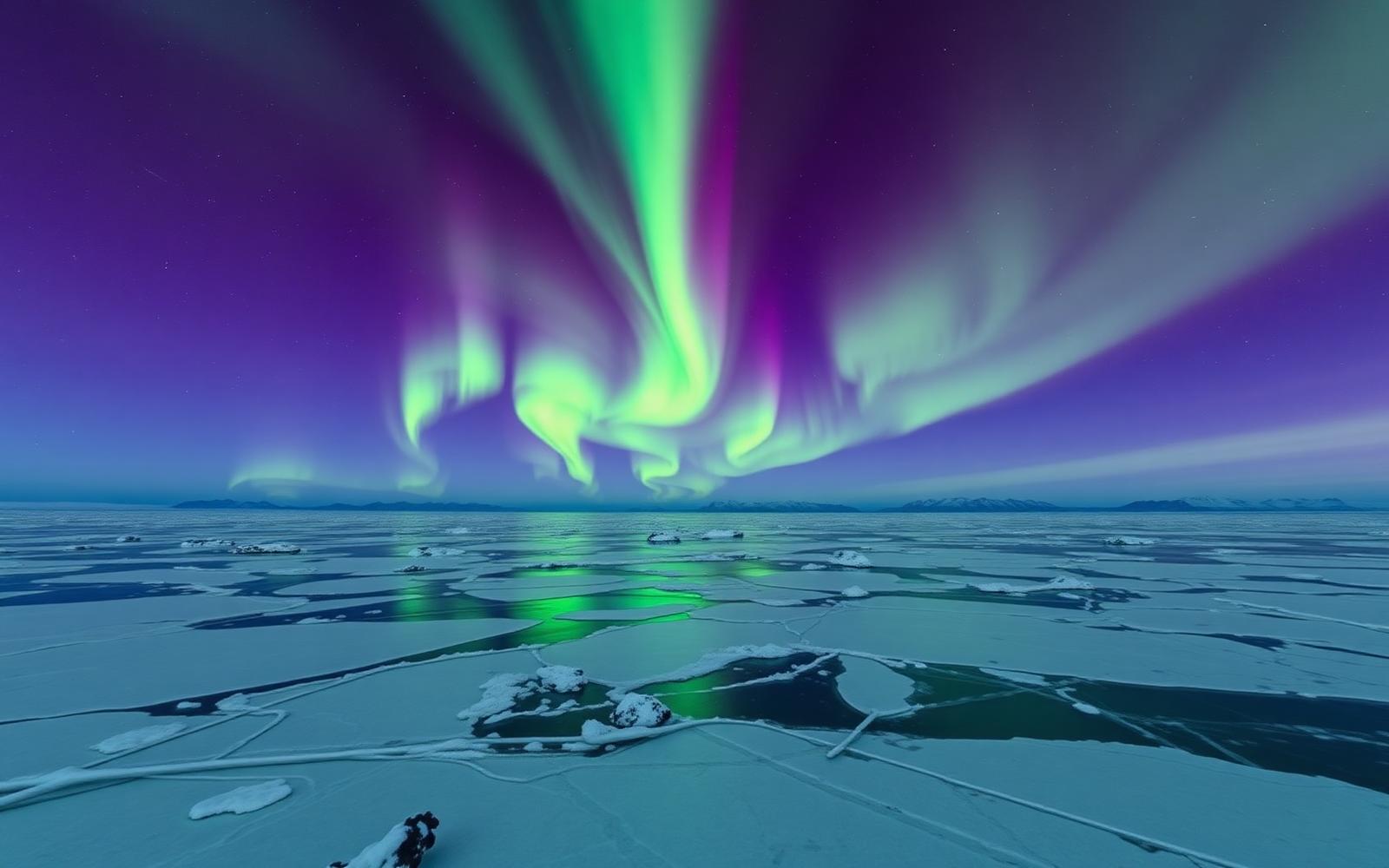
The polar regions are the planet's early warning system. What begins as a lost centimetre of sea ice near Svalbard, a shifted krill bloom off the Antarctic Peninsula, or a warmer than usual January in Longyearbyen ends up on coastal maps, in fishery quotas, and inside next winter's weather forecast. Polar Nature exists to translate those signals into careful English-language reporting — grounded in peer-reviewed science, written for curious readers anywhere in the world.
Explore the sections
Expedition dispatches, climate updates, and conservation policy from both poles.
Behaviour, biology, and conservation status of iconic polar wildlife.
Ice sheets, auroras, ocean currents, and the physics of the poles.
Field craft, safety protocols, and historic missions to the ice.
Curated photo essays from the frozen frontiers of Earth.
Latest from the ice
All news → Polar Latest News
Greenland Ice Sheet Posts Record Summer Runoff in 2026 Melt Season
PROMICE stations across the Greenland margin logged an exceptional July melt pulse, pushing surface mass balance losses past the 2019 benchmark.
 Polar Latest News
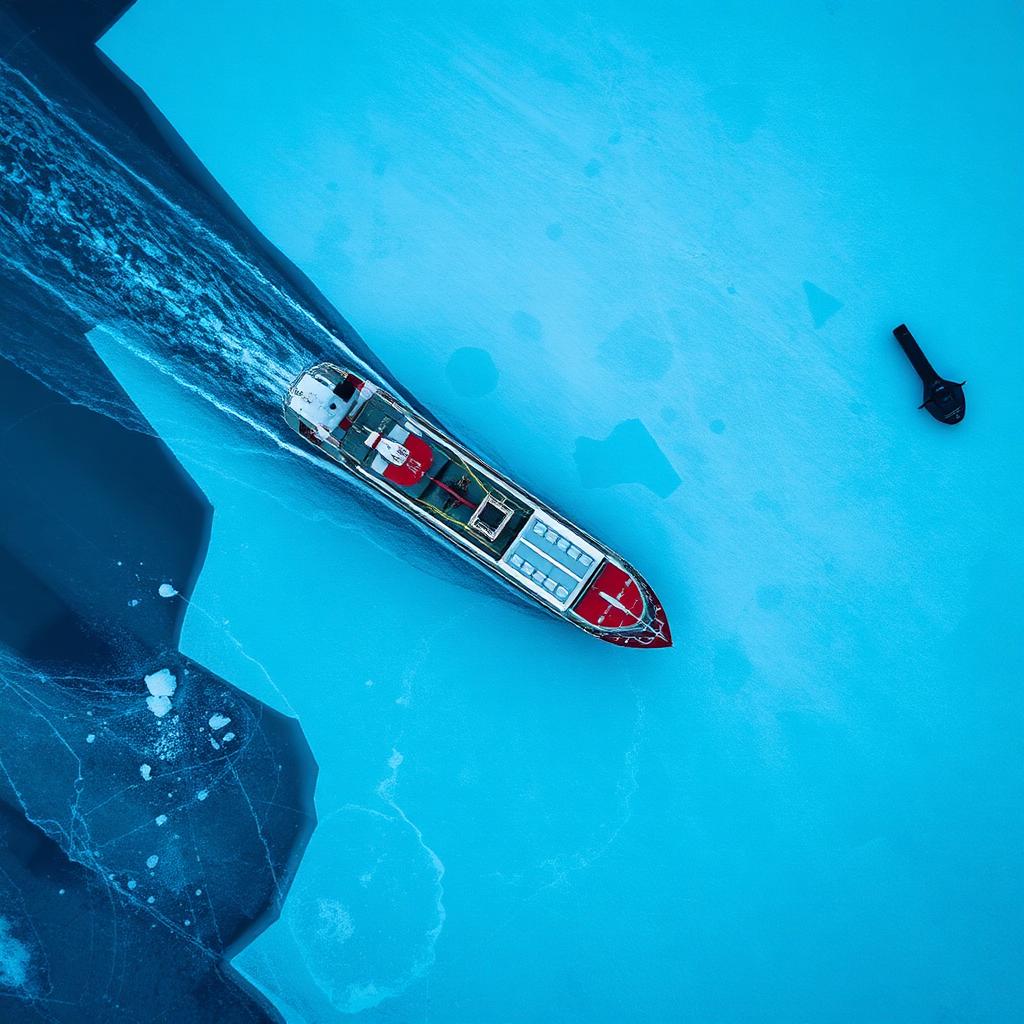
Northern Sea Route Opens Earliest Ever as Arctic Ice Thins
Russian and Chinese operators report navigable conditions along the Northern Sea Route weeks ahead of the 2010–2020 climatology.
 Polar Animal Science
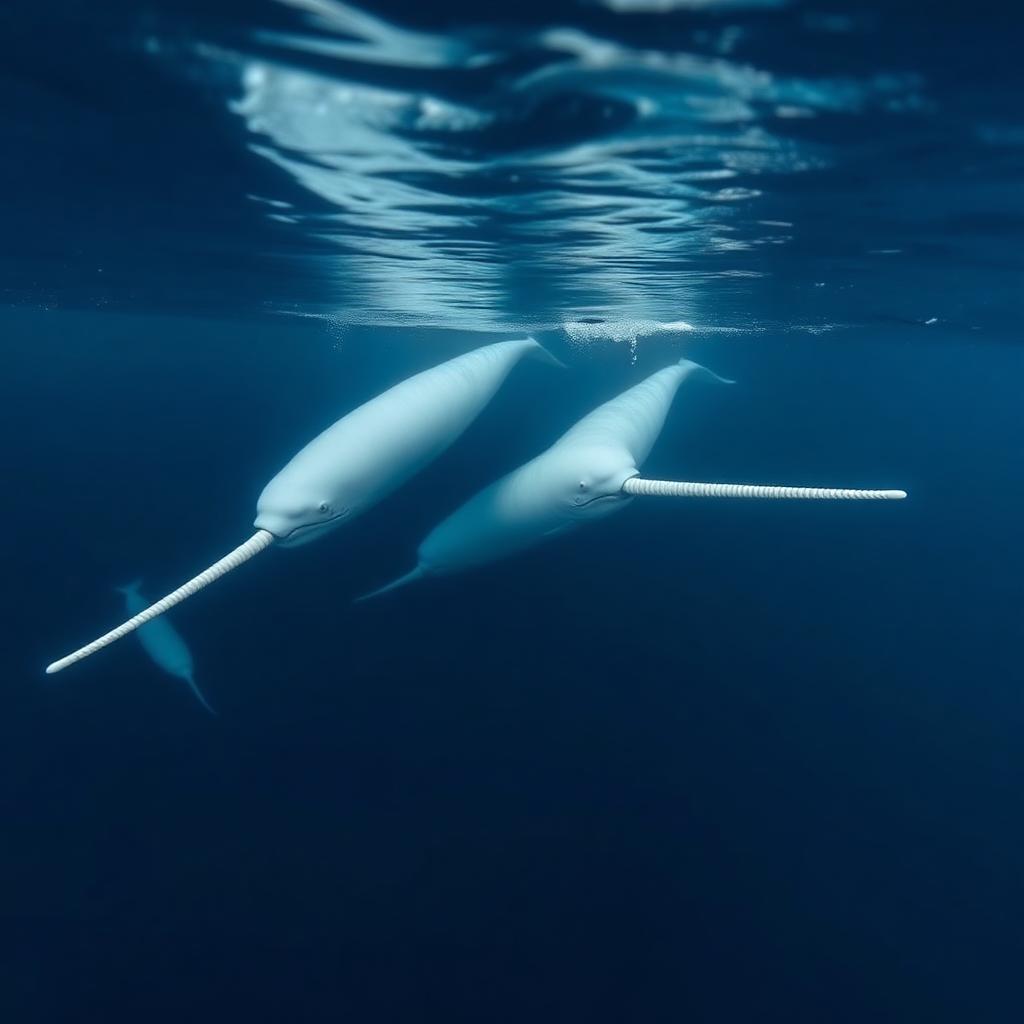
The Narwhal Tusk: Sensory Organ, Weapon, or Both?
New tissue studies confirm the narwhal's spiralled tusk is a highly innervated sensory tooth, upending a century of speculation about its purpose.
 Polar Latest News
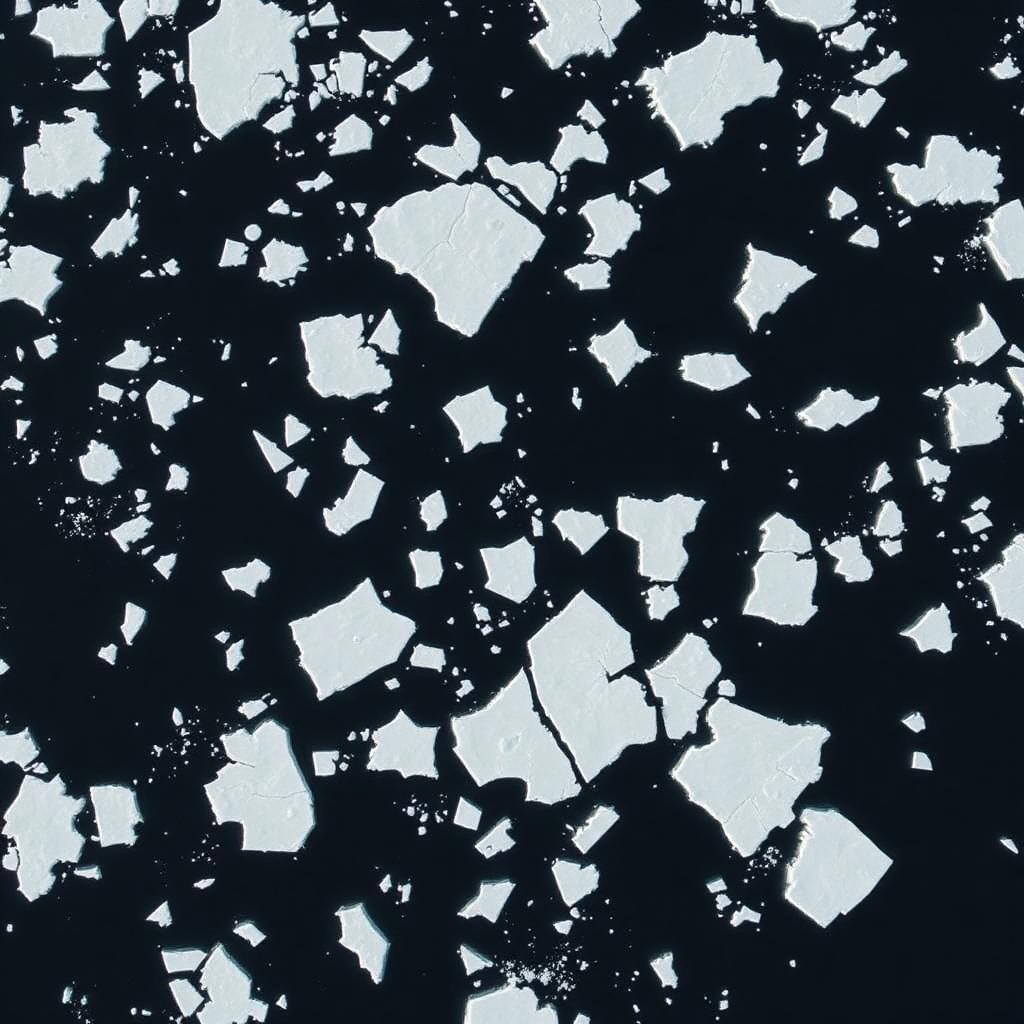
Arctic Sea Ice Reaches Second-Lowest September Minimum on Record
Preliminary NSIDC figures confirm the September 2025 Arctic sea-ice extent as the second lowest in the satellite era, with multi-year ice down another six percent.
 Polar Expedition Guide
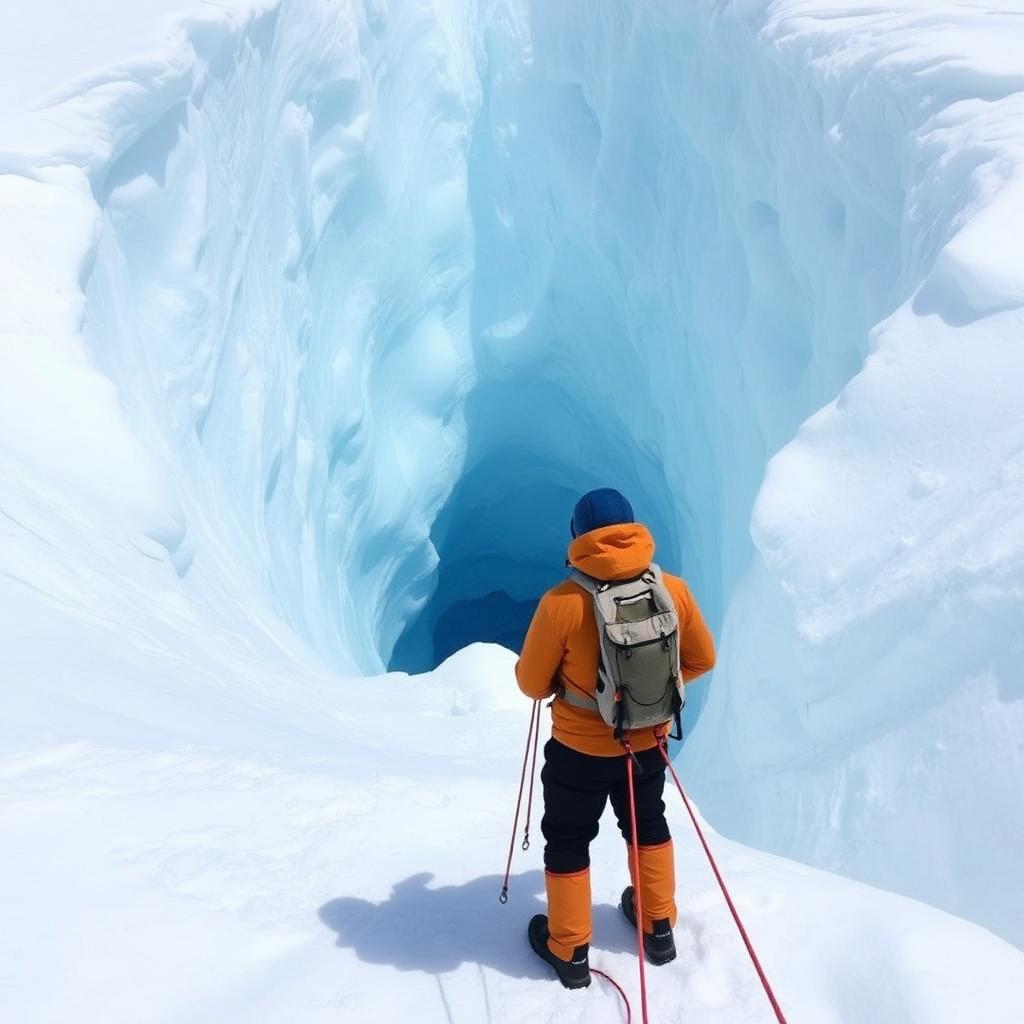
Crevasse Rescue: The Ropework That Every Polar Traveller Must Know
A three-to-one pulley, a pre-rigged prusik, and a rehearsed team plan turn a potential tragedy into a manageable field problem.
 Polar Geography & Climate
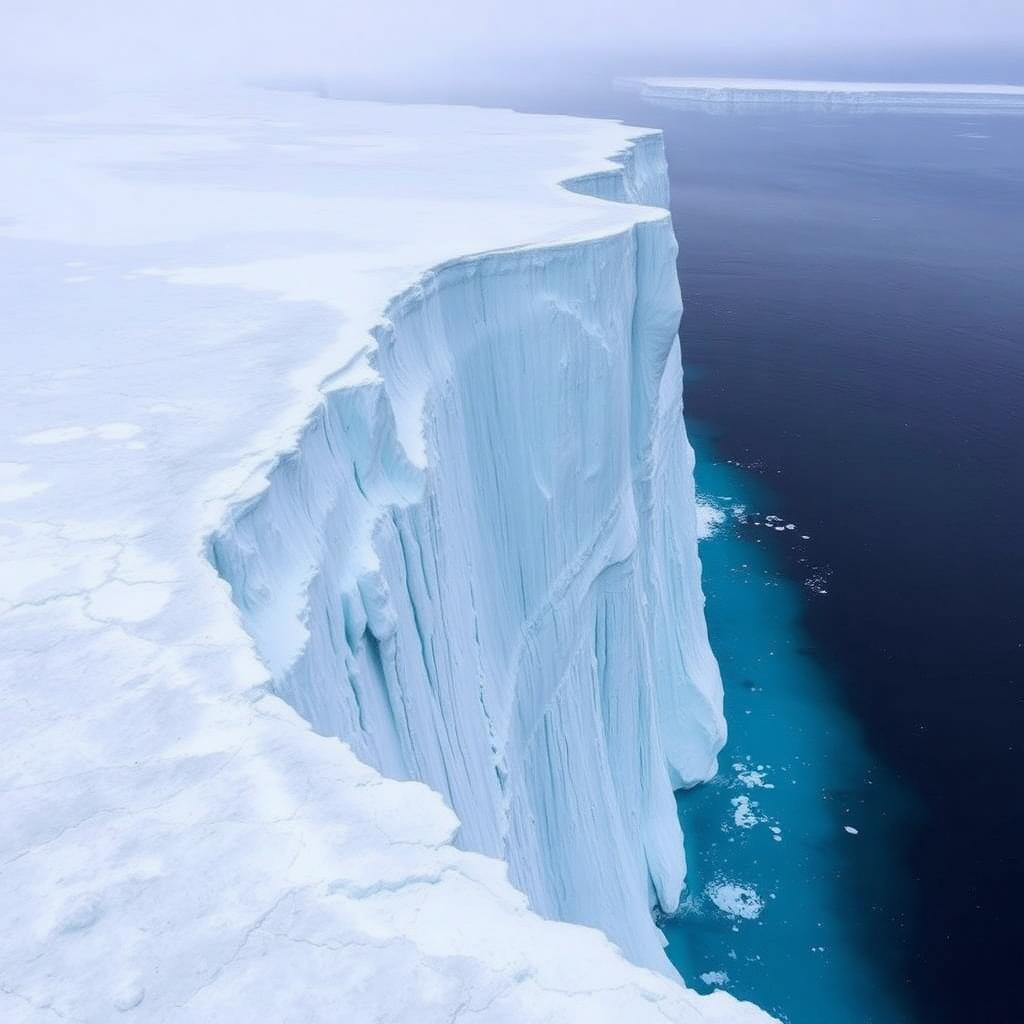
The West Antarctic Ice Sheet Explained in Six Layers
From bedrock to firn, the West Antarctic Ice Sheet is a stack of stories about pressure, meltwater, and marine-based instability.
 Polar Animal Science
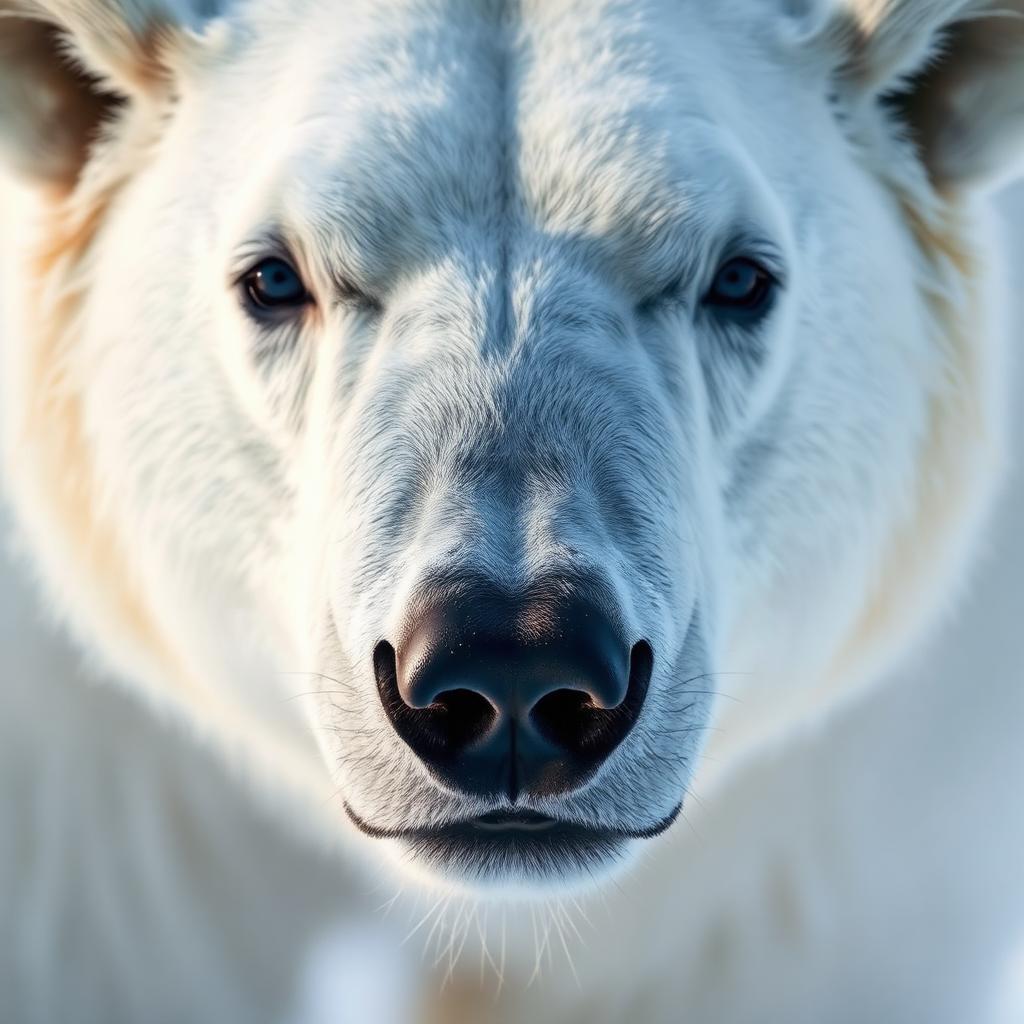
Inside the Polar Bear: Anatomy of a Perfect Arctic Predator
Black skin, hollow guard hairs, and a nose that detects seals a kilometre away — the polar bear is a lesson in evolutionary specialisation.
An ocean surrounded by continents
The Arctic is a frozen sea ringed by the landmasses of North America, Europe, and Asia. Its ice cap floats, thins, and refreezes on an annual cycle that shapes weather across the Northern Hemisphere. Communities from the Inuit of Nunavut to the Sámi of Sápmi have lived alongside this ice for thousands of years, and their traditional knowledge is now woven into the same datasets used by satellites and icebreakers.
- · Warming at roughly four times the global average since 1979
- · Home to polar bears, narwhals, walrus, and Arctic foxes
- · Governed by the Arctic Council and national jurisdictions
A continent buried in ice
Antarctica is the opposite geometry: a landmass the size of the United States and Mexico combined, capped by an ice sheet up to four kilometres thick. It holds roughly seventy percent of the planet's fresh water. Since 1959 it has been governed by the Antarctic Treaty as a scientific preserve, with no permanent civilian population and no commercial mineral extraction.
- · Coldest recorded surface temperature: −89.2 °C at Vostok
- · Home to emperor penguins, Weddell seals, and Antarctic krill
- · Continent-wide sea ice set record lows between 2023 and 2025
Five figures that shape the century
From every section
One recent story from each of our five desks — a quick way to sample the range of Polar Nature's coverage.
Greenland Ice Sheet Posts Record Summer Runoff in 2026 Melt Season
The Narwhal Tusk: Sensory Organ, Weapon, or Both?
The West Antarctic Ice Sheet Explained in Six Layers
Crevasse Rescue: The Ropework That Every Polar Traveller Must Know
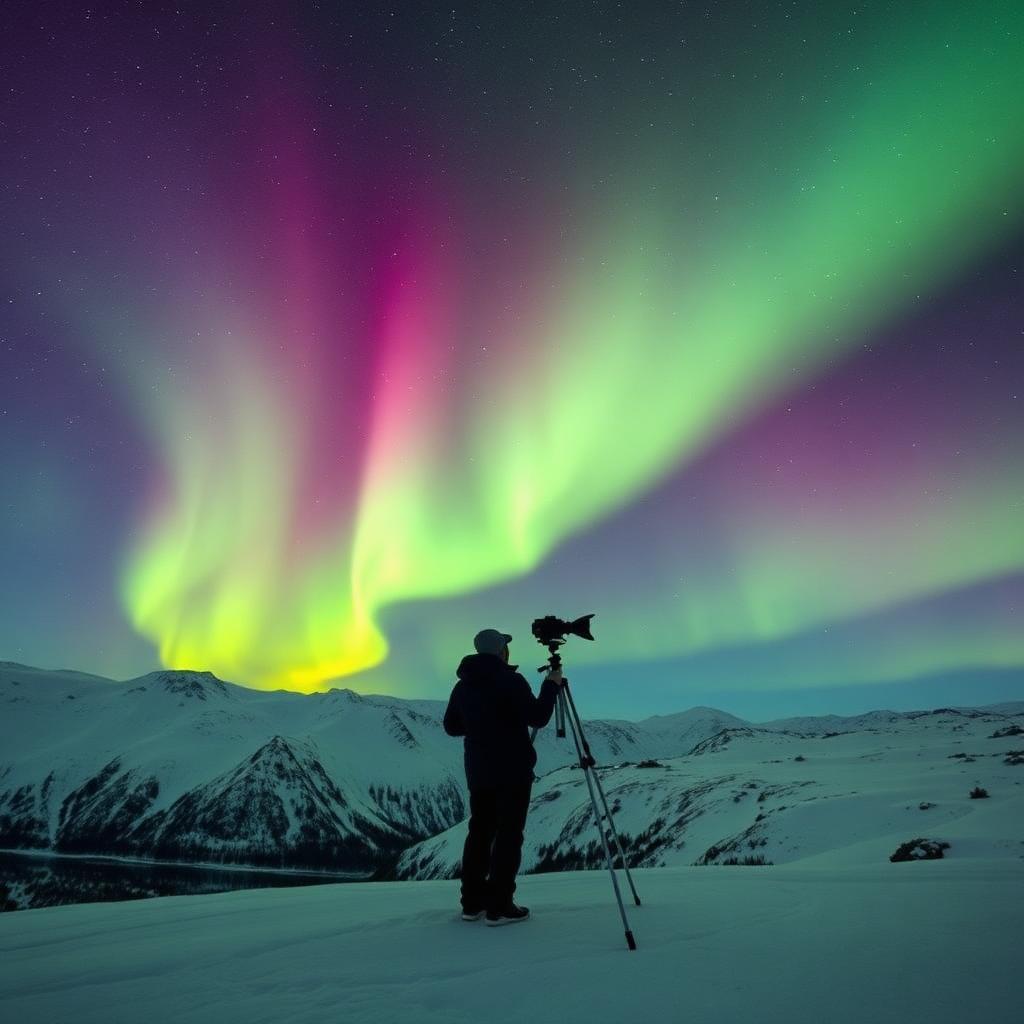
Photo Essay: A Season Under the Aurora in Northern Norway
Grounded in primary science
Every article draws on peer-reviewed literature, national polar programme reports, and interviews with active researchers. When a paper is cited, we name it. When a claim depends on a preprint, we say so.
Careful, unhurried, English-first
We publish in American English, edited by native speakers with a science background. Corrections are appended at the foot of the article, not silently rewritten.
Non-profit, non-partisan
Polar Nature is a small volunteer-run science communication project. We take no advertising from extractive industries, and we do not cover partisan politics, finance, or medical topics.
Popular topics
Jump straight into the tags our readers explore most.
Follow the ice with us
New long-form stories from the poles, delivered as they are published. Use the contact page to request that we notify you of new articles — Polar Nature does not run a mailing list of its own for privacy reasons.