Why an Arctic Sea-Ice Map Is Not a Shipping Clearance
Low ice extent, a navigable route and authorization for a particular vessel are three different claims.
A regional number cannot clear a route
Arctic sea-ice extent summarizes a broad area. Navigation requires information about a connected route and the conditions along it. A small concentration of thick or mobile ice at a narrow passage can matter more to a ship than a large open-water area far away.
This is why an annual minimum or an attractive satellite image cannot establish an opening date for the Northern Sea Route. Our earlier earliest-ever claim lacked a defined route, ice criterion and supporting operational record. It has been replaced with this explanation.
The vessel matters as much as the map
IMO's Polar Code addresses ship design, equipment, operations, training, safety and environmental protection. Its framework distinguishes operating conditions and vessel capabilities. A statement that one vessel completed a passage cannot be generalized to every cargo ship or small craft.
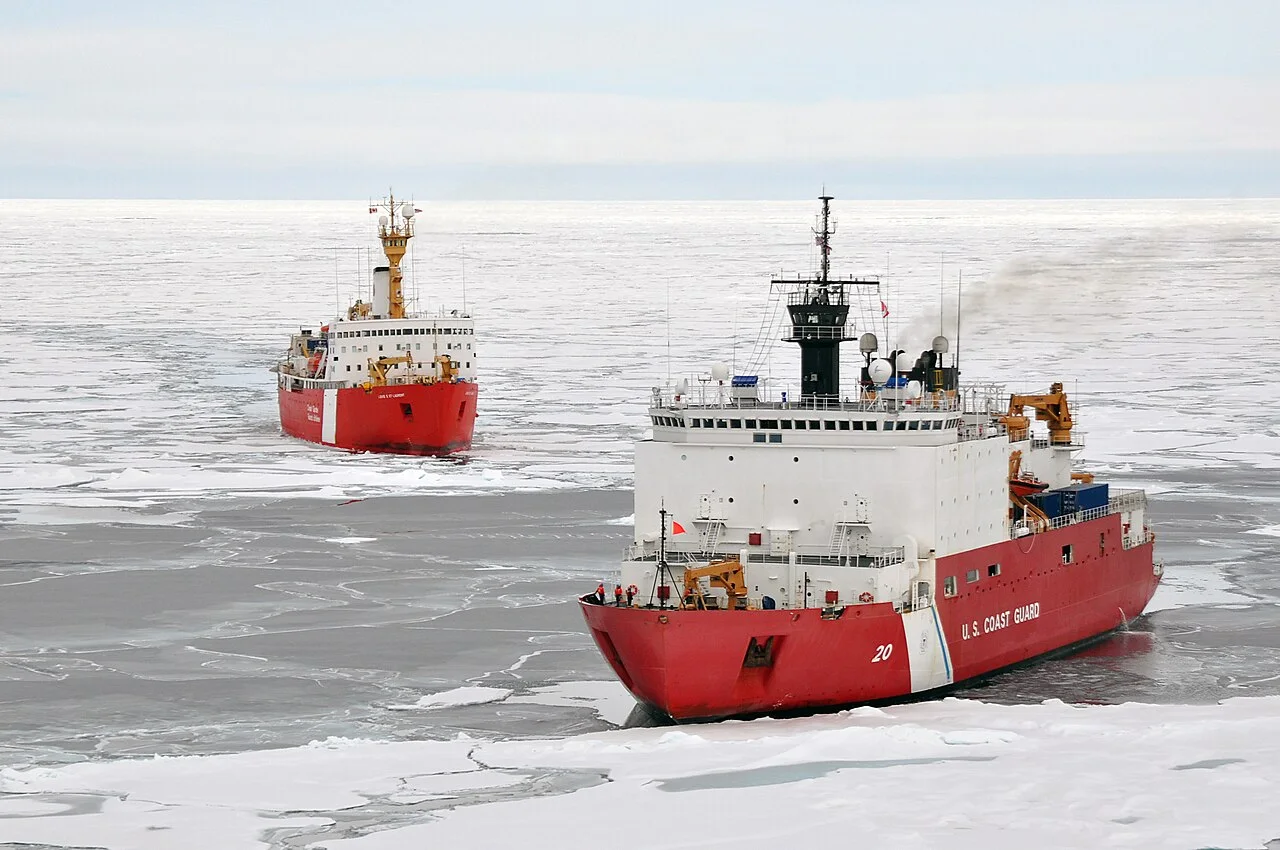
For a report about a voyage, identify the vessel's capabilities, dates, assistance and actual track. An icebreaker-assisted transit and an unescorted transit answer different questions. A route description should also distinguish operational feasibility from legal permissions, environmental obligations and insurance arrangements.
How to assess an opening headline
Look for an operational definition of open: open water throughout, ice below a stated threshold, a particular class of ship able to pass, or a completed transit? Then check whether winds, currents and new ice could change the picture during the voyage. The word open often hides these qualifications.
This page is an aid to reading shipping news, not voyage planning. Mariners need current authorized charts, notices, forecasts, applicable permissions and qualified advice. A climate indicator can explain part of the environmental background while remaining insufficient to make any individual voyage safe or lawful.
Use IMO's Polar Code overview to test an opening claim
IMO's Polar Code overview concerns ships operating in polar waters, including their design, equipment, operations and environmental responsibilities. Put that vessel-focused scope beside a basin-wide sea-ice map. The map describes an environmental quantity; it cannot establish that a particular vessel meets the requirements for a particular operation. This is the missing step in a headline that treats low extent as a universal clearance.
For a reported voyage, identify the ship, route dates and whether assistance was used before comparing it with another transit. Then distinguish completion of that journey from regular service availability. A single successful event does not establish that the same conditions or arrangements will recur. The overview helps readers understand why these distinctions matter, but it is not a complete applicability assessment or navigation instruction. Actual operational decisions require current authoritative information and qualified responsibility for the vessel and route.
Compare voyages using the same definitions
A completed transit can demonstrate that a particular vessel, with particular support, followed a particular track during the stated period. That is valuable evidence. It does not automatically establish that the route was open to all ships, that assistance was unnecessary or that the same conditions lasted throughout a season. The vessel and support arrangement are part of the result, not details to remove from the headline.
An earliest claim needs an equally clear comparison. Earliest departure, first completed passage, first unescorted passage and first passage by a specified vessel class are different records. If a report changes its definition between years, its historical ranking is unreliable even when every individual voyage happened. A careful article defines the event before arranging events into a league table.
Read a Polar Code explanation at the right level
The IMO framework concerns a combination of capability, equipment, operations, training and environmental protection. A short category label is therefore not a complete description of what a ship can do. Readers should avoid treating a certification reference as a blanket promise that every polar voyage is safe or that local restrictions and planning obligations no longer matter.
Similarly, environmental considerations are not simply an extra paragraph after the commercial story. A voyage can be physically possible while still raising operational or regulatory questions that require separate answers. This article does not interpret a specific ship's authorization. It explains why a report must distinguish the physical environment, the vessel's capability and the permissions or obligations applicable to the actual operation.
A better set of questions for shipping news
Ask for the dates, track, vessel, assistance and definition of navigable. Check whether the ice information concerns concentration, thickness, type or another variable. Ask whether the story reports an intended voyage or a completed one. Those distinctions let a non-specialist evaluate a shipping headline without pretending to provide a captain's route plan.
For a business or climate discussion, also separate an individual successful voyage from a reliable recurring service. Repetition involves scheduling and uncertainty as well as one passage. A climate trend can change the background conditions without eliminating variability or the need for specialized preparation. The useful conclusion is conditional and specific: identify what the evidence demonstrates, retain its qualifications and leave operational decisions to current authoritative information and qualified professionals.
A hypothetical voyage report, evaluated step by step
Suppose a ship completes a passage during a favorable interval with icebreaker assistance. The observed result is a completed assisted voyage by that ship under those conditions. A headline declaring the route permanently open would add a claim about future conditions. A headline declaring ordinary vessels can now pass would add a claim about other capabilities. Neither follows automatically from the completed transit.
To improve the account, identify the support, track and dates, then explain the relevant environmental conditions. If the story compares earlier voyages, keep the same definition of assistance and completion throughout. If it discusses a commercial opportunity, state which operational uncertainties remain. This turns one event into an informative case study without pretending that it establishes an entire future service.
Readers can apply the same reasoning to an unsuccessful attempt. A failed passage under one combination of vessel, timing and conditions does not prove that every vessel is incapable of passing in every season. Specific evidence should lead to a specific conclusion. The goal is not to dismiss a striking voyage but to explain exactly what made it possible and which parts of that explanation can responsibly be transferred.
A useful saved reference includes the underlying voyage account and its definitions, not only a social-media map. The map may show the intended route while the account describes the actual one. Comparing those two records can reveal why the distinction between a plan and a completed operation belongs in the story. That distinction is particularly important when an early announcement describes intentions before the vessel has completed the reported passage.