Reading a Seal-at-the-Ice Image Without Inventing the Dive
Breathing access, viewpoint and behavior need different kinds of evidence.
The camera does not see the whole route
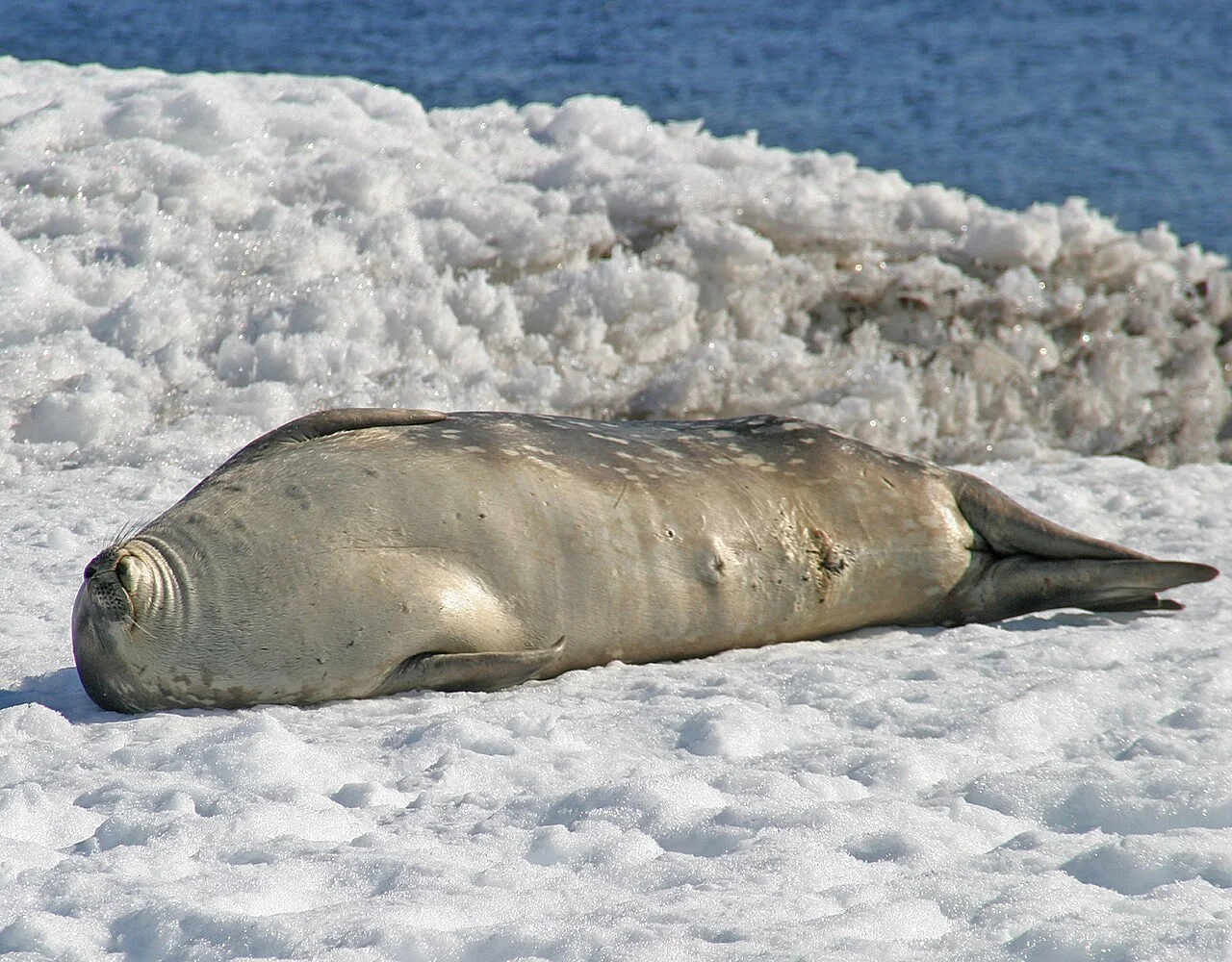
An image of a Weddell seal near ice can show the animal and the visible surface or water around it. It cannot reveal the complete route taken before or after the exposure. A seal beside an opening may be using an important breathing location, but the photograph does not supply a timed dive profile.
Our earlier text implied an original under-ice photographic expedition. This replacement makes no such claim. The licensed reference image is attributed to its actual source and is not described as a Polar Nature dive.
Separate visible anatomy from physiology
A visible body position can be described directly. Oxygen use, heart rate and the depth of an earlier dive are not visible in a portrait. Those require appropriate instruments, observations and analysis. Adding a dramatic physiological number to a picture does not make the picture evidence of that number.
The distinction is especially important when photographs are reused in general science articles. The image can illustrate the species while the scientific explanation comes from a different, explicitly named source.
Ask what would answer the missing question
To learn where the seal traveled, look for an appropriately sampled track or depth record. To learn whether a breathing opening was repeatedly used, look for observations over time. To understand species-level habits, use biological research rather than extrapolating from one animal's pose.
Responsible observation also avoids disturbing the animal or obstructing access to the water. Current local wildlife rules and qualified operators govern real visits. This page concerns how to interpret an image; it is not an under-ice diving guide or a description of a newly measured dive.
The frame is an observation window
An image near an ice opening shows only a portion of the environment. Its boundaries exclude other openings, routes and animals that may exist elsewhere. Before assigning a narrative, describe the visible relationship between the seal and the ice. A frame can locate an animal beside an opening without showing how long it has been there or which route it will take next.
This observation-window idea is useful for comparing a portrait with an instrument record. The portrait provides visual detail at a moment; the record may provide repeated measurements through time. Each has information the other lacks. Combining them responsibly means naming their distinct sources rather than implying that a photograph alone supplied a complete journey.
Posture does not expose an oxygen measurement
A seal's visible position can support a description of its pose. It cannot supply heart rate, oxygen stores or a previous dive's depth. Those quantities require their own instruments or study methods. A physiological explanation can accompany the image, but the explanation should be attributed to research rather than described as something the camera measured.
The companion diving article explains the budget and habitat questions in more depth. This page focuses on the visual record. Keeping the purposes distinct prevents two articles from making the same claim in different words: one explains the underlying constraints, while the other teaches readers how to assess the evidence presented alongside an image of the animal.
A sequence can show recurrence without explaining everything
Several dated images may establish that an animal appeared at an opening more than once, if identification and timing are reliable. They still may not reveal what happened between frames. Missing intervals should remain visible in the account. A sequence is stronger than one still for some questions, but it is not automatically a continuous record of behavior.
For a hypothetical example, imagine a camera recording once each hour. An appearance in two successive frames does not establish continuous presence throughout the interval. The animal could have moved between exposures. This simple sampling distinction helps readers understand why repeated sightings and uninterrupted observation are different forms of evidence, even when both are useful.
Viewpoint can hide the connection to water
A surface photograph and an underwater photograph present different parts of the same setting. Reflections, ice edges and the camera's angle can obscure features that appear obvious from another position. Avoid inferring the entire opening's geometry from one view. The visible boundary is a projection through a particular viewpoint rather than a complete three-dimensional map.
This matters when an article uses a dramatic crop. The crop may improve composition while removing environmental context. Read the uncropped source when available and identify what has been omitted. Cropping is not inherently misleading, but a caption should not make claims that depend on features absent from the displayed frame unless another source supplies them.
Credit explains the record's origin
The creator, source page and image date help establish what the photograph actually documents. A license explains permitted use; it does not turn the publisher into the photographer or establish a new field expedition. These are separate records. Preserve the credit and describe the image as an attributed reference when it is being used to illustrate a general explanation.
A source title can also clarify location or species identification, although stronger biological claims still require appropriate research. If a detail is not recorded, leave it uncertain rather than inventing a plausible setting. Honest provenance makes the photograph more useful because readers can return to the original context and distinguish the image's documentation from the publication's explanatory synthesis.
Read the credited seal image without inventing a dive
The source names the pictured animal as a Weddell seal in Antarctica. That establishes the image's declared subject, not a complete underwater expedition. Look at the visible body and surroundings, then list the questions the frame leaves open: where the animal previously traveled, how long it was submerged and which breathing openings it used. The photograph cannot answer those simply because a general diving explanation appears beside it.
Use the Australian Antarctic Program's species account for the biological context, including the importance of access to air under fast ice. Keep that general mechanism separate from an account of this particular individual. A useful caption can identify the source and describe the scene while explaining that no dive profile was measured by the image. This makes the page a practical guide to evaluating wildlife illustrations rather than another retelling of physiological records already explained in the companion diving article.
Do not hide the gaps in a visual timeline
If only selected frames are available, label their actual times rather than spacing them as though the intervals were equal. A tidy layout can otherwise suggest continuous observation. Keeping gaps visible makes the record more honest and helps a reader decide whether the sequence supports a duration claim, a repeated appearance or simply several separate moments.