Snowy Owl Irruptions Are Not a Timetable
Understand why some winters bring more sightings without assuming every visiting owl is starving.
A seasonal movement with uneven geography
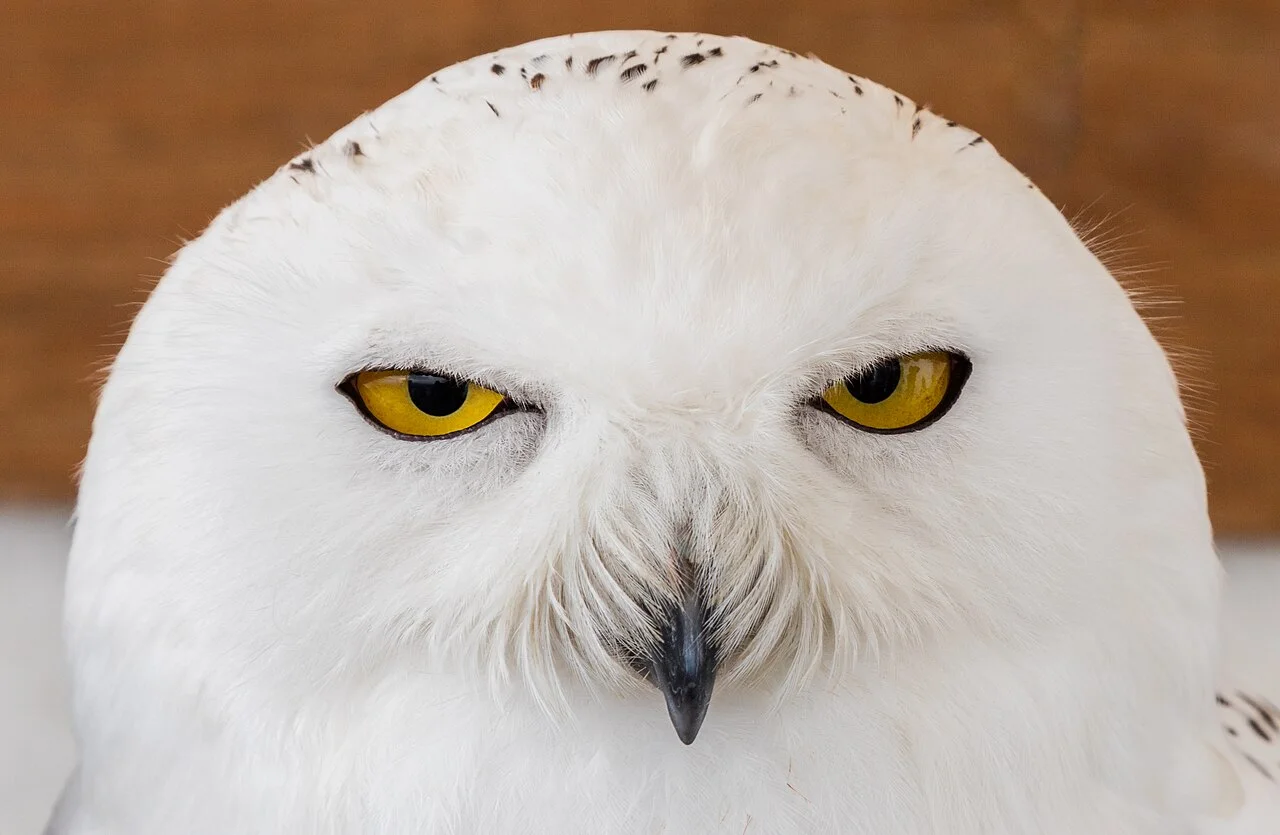
Snowy owls breed in the far north, but their winter distribution is variable. Cornell's species account distinguishes places where they occur more regularly from places where large appearances are intermittent. An irruption describes an unusual movement or occurrence pattern, not a fixed annual route shared by every bird.
That distinction helps explain why one winter's concentration of sightings is a poor forecast for the same town the following year. A bird's presence can reflect several ecological processes; the observation alone does not identify the cause.
Separate prey cycles from an individual diagnosis
Breeding opportunities and food availability can affect the number and movement of young birds. However, seeing an owl south of its breeding range does not prove that the individual is starving. Physical condition requires appropriate assessment rather than an inference from latitude.
Likewise, an increase in reports may partly reflect more observers, better reporting tools or concentrated attention. To infer a biological increase, look for a consistent survey design or an analysis that accounts for changes in observation effort.
What a useful sighting record contains
Date, location, habitat, behavior and observation conditions make a record more useful than an isolated dramatic image. Avoid repeated close approaches or attempts to move the bird for a photograph. A resting owl can be conserving energy; an unobstructed portrait is not worth disturbing it.
For a migration story, ask whether the evidence comes from sightings, band recoveries or tracking devices. These methods answer different questions and have different sampling limits. A tracked individual's route is a real journey, but it is not automatically a map of what the whole species does.
A sightings map also maps the observers
Imagine a fictional coastline with many observers near a city and very few along a remote stretch. More plotted owls near the city might reflect more birds, more searching or both. A map of submitted records cannot separate these possibilities automatically. To interpret it, look for information about observation effort, reporting practices and places that were searched without a detection.
This does not make community observations unhelpful. A dated, well-documented record can establish an occurrence and contribute to a much larger collection. The distinction is between recording presence and estimating how many birds occupied an entire region. An analysis intended to address the latter needs a way to account for uneven coverage. The map becomes more informative when its observation process is visible.
Describe the movement at the scale observed
A sequence of sightings is not necessarily the route of one owl. Without individual identification, different records might involve different animals. Connecting the dots into a continuous journey can create movement that was never documented. A tracking record, an identifiable marked individual and a collection of unmarked sightings therefore support different kinds of maps.
Likewise, a route from one tracked bird should retain its dates and identity as an individual record. It can reveal movement that observers would otherwise miss without defining a compulsory migration corridor for the species. When a story moves from one bird's journey to a general claim, look for the wider sample or other evidence supporting that step. A vivid individual account and a population explanation can complement each other when their scales remain clear.
Why latitude is not a body-condition measurement
A snowy owl observed farther south than expected can attract immediate speculation about hunger. Its location alone cannot establish its physical condition. An animal's behavior and appearance may prompt a legitimate concern, but a diagnosis requires appropriate expertise and evidence. An observer should avoid turning uncertainty into a confident explanation for a photograph.
For a person encountering an owl, the useful response is to observe from a respectful distance and follow local wildlife guidance. If there is a concrete concern about injury, seek an appropriate local wildlife contact rather than attempting an improvised intervention based on this article. Recording what was actually seen is more useful than attaching an unsupported story of distress to every unusual occurrence.
Separate a productive breeding season from a winter explanation
Food availability and breeding outcomes can influence how many young birds enter a seasonal population. However, a proposed explanation for a particular winter still needs observations from the relevant places and periods. A general ecological mechanism is a starting point for investigation, not a substitute for evidence that it operated in the case being discussed.
Ask whether a report measured breeding conditions, documented age composition, tracked movements or simply noted many winter sightings. Each contributes a different part of the explanation. A headline may compress the chain into one confident cause. Reading the methods restores the missing steps and makes room for several contributing factors without suggesting that every possible explanation is equally well supported.
Make the next sighting useful without making it intrusive
A concise field note can include the date, approximate location appropriate for responsible sharing, habitat, distance of observation and visible behavior. State whether the bird was resting, flying or hunting only when the observation supports that description. Avoid using bait, repeated approaches or deliberate flushing to obtain a more dramatic record. A natural resting observation can be valuable precisely because the observer did not alter it.
For comparing winters, keep a separate note of the effort involved: an incidental encounter differs from repeated searches conducted in a consistent way. The distinction helps readers understand why absence of a report is not proof of absence. By the end, the useful question changes from will the owls return here on schedule to what observations would show how this winter's occurrence pattern differs, and how confidently can we explain that difference?
Interpret an airport-field sighting using Cornell's habitat account
Cornell's snowy owl account lists open landscapes including airport fields, beach dunes and the Great Plains alongside tundra. This gives a reader a concrete alternative to the assumption that a bird outside the Arctic must be lost. The shared feature is an open setting with opportunities to survey for prey, not a requirement that every winter location resemble a snowy breeding photograph.
For an actual sighting, describe the habitat and behavior before proposing a reason for the bird's arrival. The species account supports habitat interpretation; it cannot establish that individual's journey or condition. A route needs individual movement evidence, and a condition assessment needs appropriate expertise. This separation helps readers understand why a notable sighting can fit the animal's ecology while still leaving the cause of that winter's regional occurrence pattern unresolved.