Ice–Albedo Feedback: A Local Calculation With a Seasonal Catch
Why replacing bright ice with darker water can amplify warming, and why sunlight timing matters.
Reflection changes the energy balance
Albedo describes the fraction of incoming sunlight reflected by a surface. Bright snow generally reflects more sunlight than dark open water. When a bright surface is replaced by a darker one under sunlight, more energy can be absorbed locally. If that encourages further ice loss, the change reinforces the original warming.
The feedback describes a process, not an additional source of sunlight. The Sun supplies the incoming energy; a surface change alters how much is reflected and how much enters the local energy system.
A deliberately simplified example
Imagine two surfaces receiving the same 100 units of sunlight. If one reflects 70 units and the other reflects 10, their absorbed amounts differ by 60 units. These invented numbers demonstrate the bookkeeping only; they are not measured albedos for a particular Arctic date or a climate-model result.
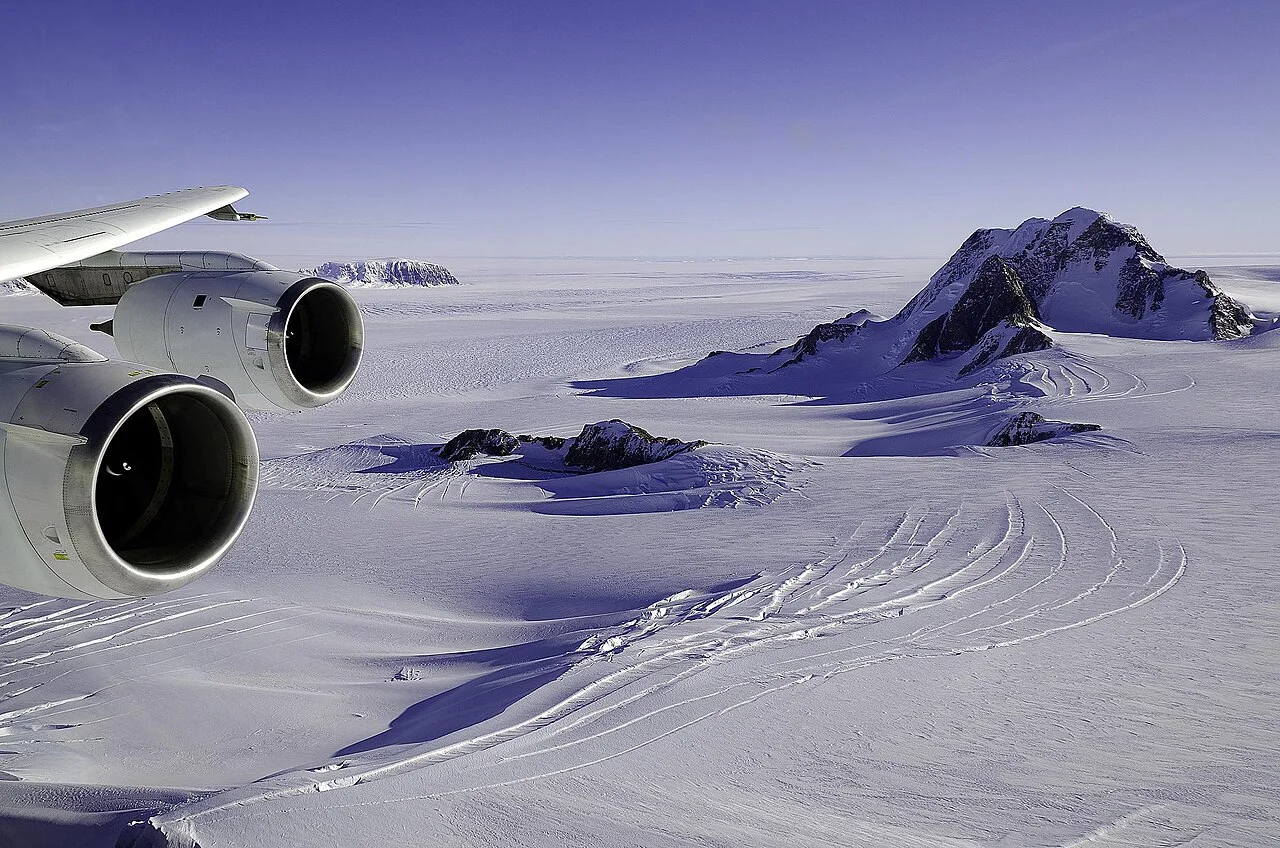
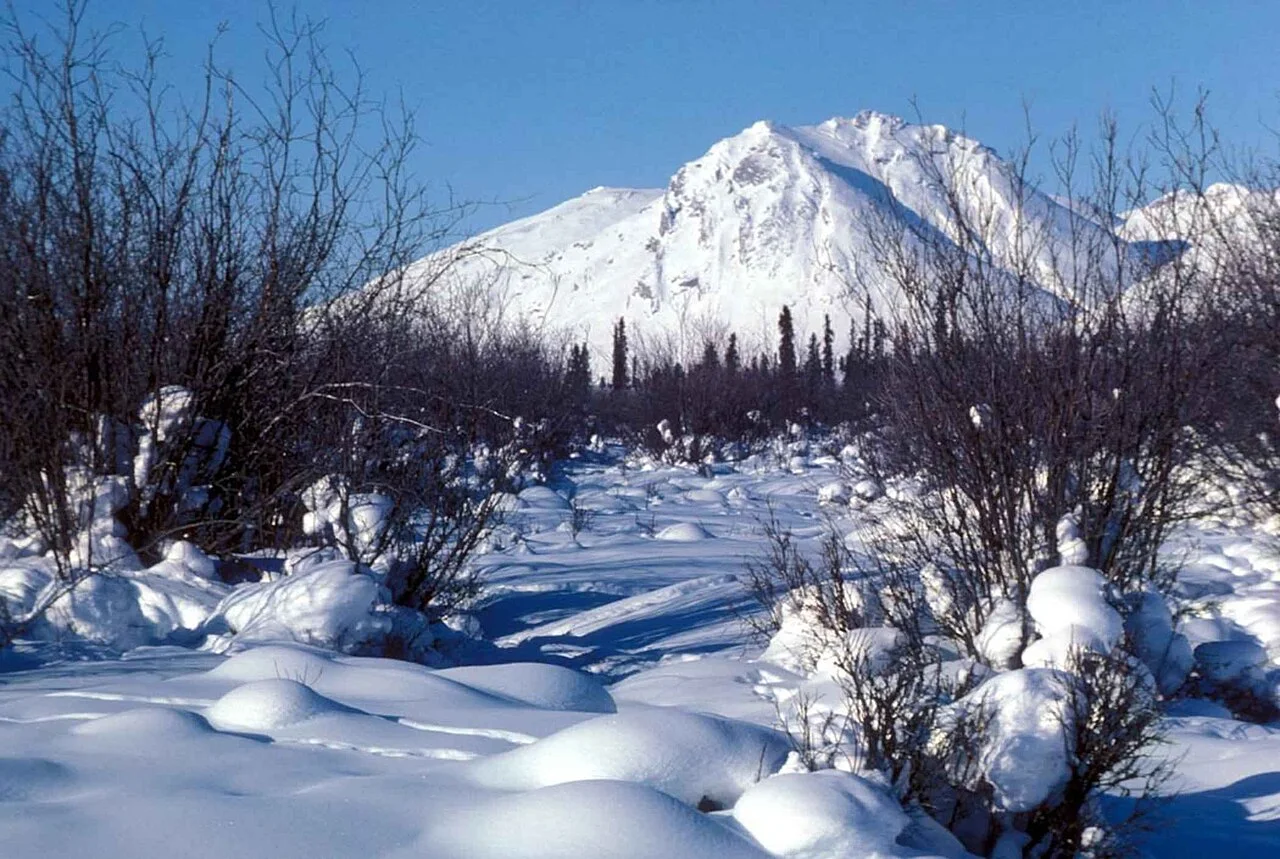
Real values depend on snow condition, ice, melt ponds, water, solar angle and clouds. A photograph that looks white or blue to a camera cannot supply every quantity needed for that calculation.
Why the calendar matters
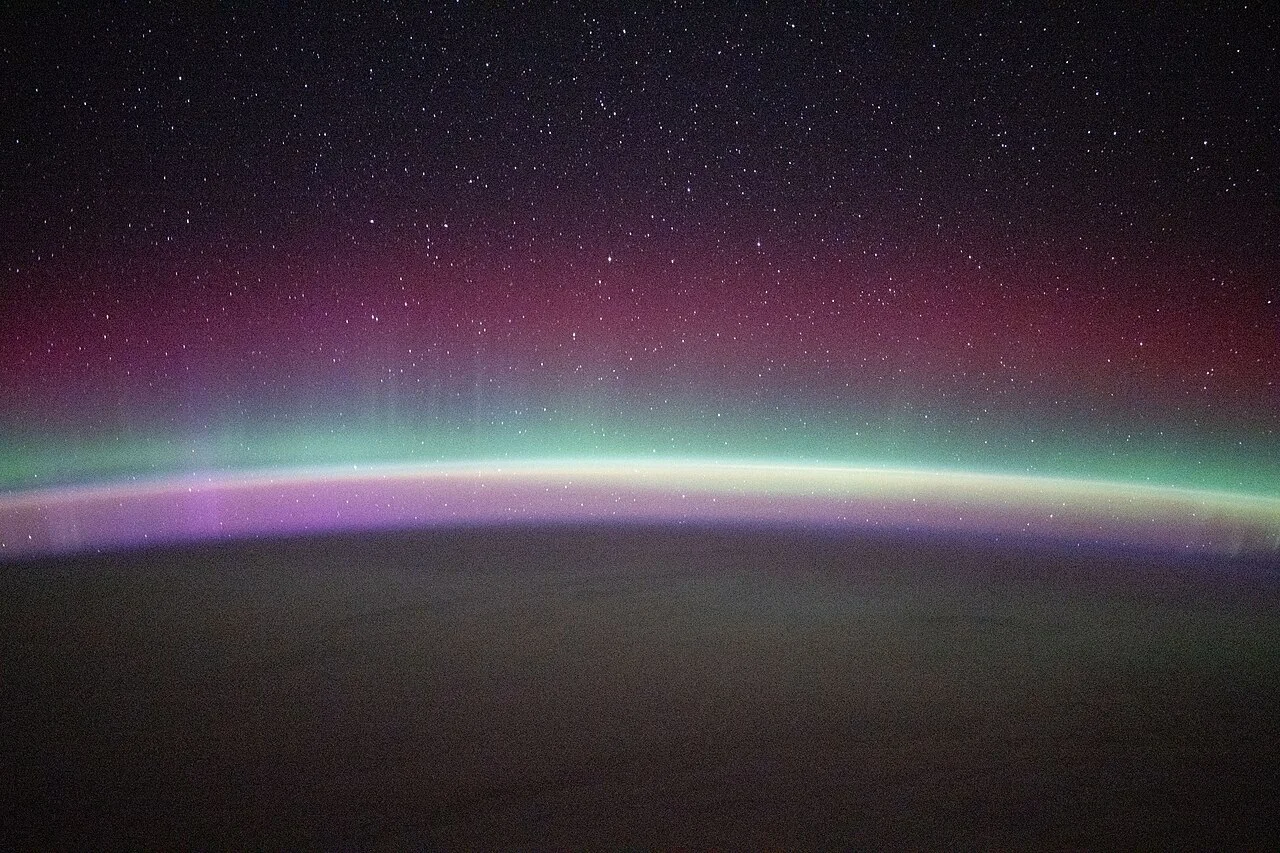
An identical change in reflection has different consequences when incoming sunlight is strong, weak or absent. Polar night does not provide a large shortwave input merely because open water is dark. Stored ocean heat and exchanges with the atmosphere remain important, but they are additional processes rather than sunlight reflected in darkness.
When reading about Arctic amplification, ask which season and energy transfer the study addresses. Ice–albedo feedback is an important connection, not a complete explanation of every temperature difference between the Arctic and the rest of the world. This distinction prevents a useful physical idea from becoming an all-purpose slogan.
Keep the incoming energy in the equation
A simple bookkeeping expression is absorbed sunlight equals incoming sunlight multiplied by the fraction not reflected. Albedo is that reflected fraction, expressed between zero and one. In a deliberately simplified example, an incoming value of 200 units and an albedo of 0.6 leave 80 units absorbed. Changing the albedo to 0.2 under the same incoming value leaves 160 units absorbed. The difference is 80 units, not a new source of energy.
These values are invented to make the arithmetic visible. They are not recommended constants for snow, ice or seawater. When a real study estimates an energy change, its incoming radiation and surface properties must come from appropriate observations or model assumptions. A worked example teaches the relationship; it cannot supply a measured Arctic energy budget merely by attaching a real location to imaginary numbers.
Area and duration turn a local change into a larger total
A calculation for one unit of area at one instant does not yet describe a seasonal regional effect. To estimate a total, the analysis must account for how much area changed, when it changed and how long relevant conditions persisted. Units help expose missing steps. An energy rate per area, a regional area and a duration play different roles in the bookkeeping.
Imagine two fictional regions with the same local reflection change. One changes for a brief sunny interval across a small area; the other changes across a larger area for longer. Their local mechanisms are similar, but their total energy consequences differ. This explains why a photograph of a dark patch can illustrate a process without determining its importance for an entire season.
A feedback needs a return connection
A surface becoming darker is a change in a property. To describe a positive feedback, the explanation also needs the reinforcing connection: additional absorption contributes to conditions that encourage more loss of the reflective surface. The word positive describes reinforcement, not a desirable outcome. It does not mean that growth continues without constraints or that every other influence disappears.
Draw the loop with arrows and label what each arrow means. Warming can affect ice conditions; changed surface reflection can affect absorbed sunlight; the resulting energy change can contribute to further warming or melt. A clear loop is more informative than repeating the phrase feedback several times. It also shows where seasonal conditions or other processes can alter the strength of the response.
Do not ask a camera to measure every energy transfer
A camera records light through its own exposure, spectral response and processing. Brightness in an ordinary photograph is therefore not a calibrated measurement of the complete reflected fraction relevant to an energy-budget study. Snow that looks gray in shadow is not necessarily less reflective than sunlit snow that looks white. Viewing conditions and display choices affect the impression.
For visual explanation, use photographs to identify surface types and visible features, then rely on appropriate measurements for quantitative reflection claims. A caption can make this boundary explicit without making the image less useful. The same rule applies to melt ponds and open water: visible differences can motivate the physical question, but a number assigned to the difference needs its own measurement basis.
Apply the mechanism to NSIDC's melt-pond example
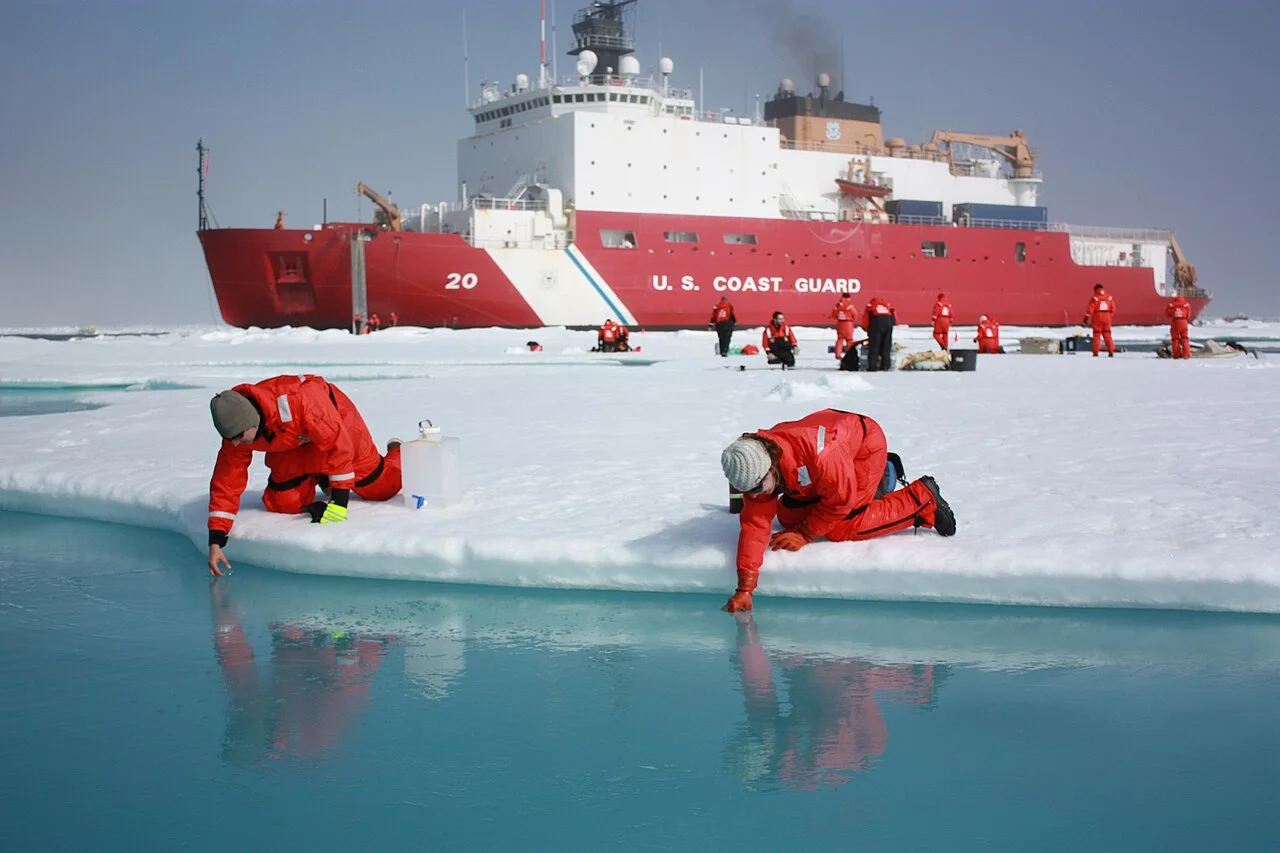
NSIDC's sea-ice science guide describes the contrast between reflective snow or ice and darker surfaces, including melt ponds. Use that real surface change to frame the calculation: the question is how replacing a more reflective patch changes absorbed sunlight. The numerical values in our diagram are hypothetical. They illustrate the mechanism; NSIDC is not the source of these particular albedos or a measured energy increase for this patch.
With incoming sunlight held at 200 units, reflection fractions of 0.6 and 0.2 give absorbed amounts of 80 and 160. Reduce the input to 50 and absorption becomes 20 and 40. The answer is that surface contrast and incoming sunlight jointly control this difference. A darker patch alone cannot determine a regional seasonal total: area and duration must also be included. This calculation shows precisely why the calendar changes the effect.
Use the result in an actual comparison
Suppose you are comparing two published melt-season maps. First identify whether each map shows surface type, reflected radiation or absorbed energy. Only the last directly addresses the calculated outcome in our example. For a surface-type map, seek the radiation assumptions before assigning an energy difference. For a radiation product, check units and whether its values represent an instant, an average or an accumulated total.
Next align the geographic boundaries and dates. A larger dark area observed late in the season does not automatically exceed the energy effect of a smaller area present during stronger sunlight. The useful conclusion comes from combining the mapped surface with the incoming energy over the relevant interval, rather than ranking images by darkness.