Sled Dogs and Polar Transport: Keep Place and Period Attached
Why Greenland traditions and Antarctic history should not be blended into one modern-expedition claim.
Polar does not mean one operating system
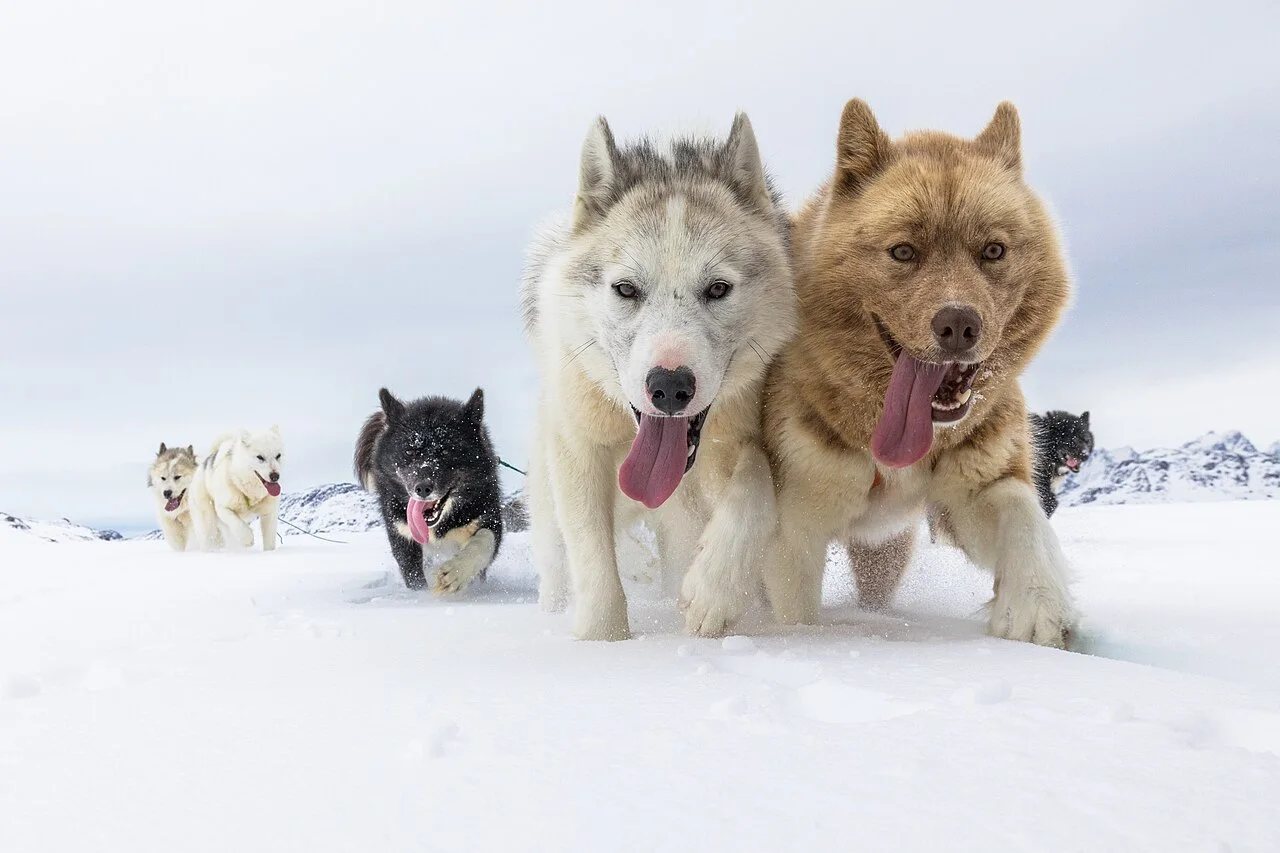
A dog team in Greenland and a historic dog team in Antarctica belong to different environments, communities and rules. The shared visual language of snow, harnesses and sledges can conceal those differences. A modern photograph from one region cannot establish what is permitted in the other.
Our earlier broad claim that scientific expeditions still prefer dogs whenever engines fail was unsupported. Transport choices depend on local knowledge, welfare, terrain, logistics and regulation; no single technology is automatically the best in every cold place.
History is not current authorization
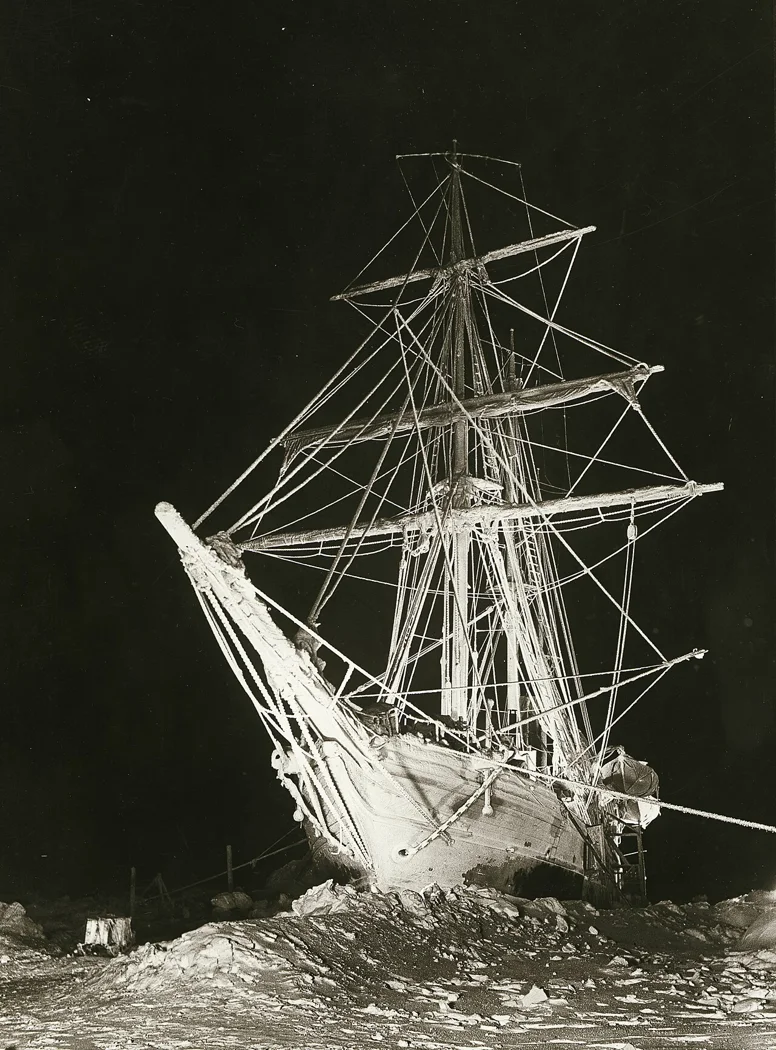
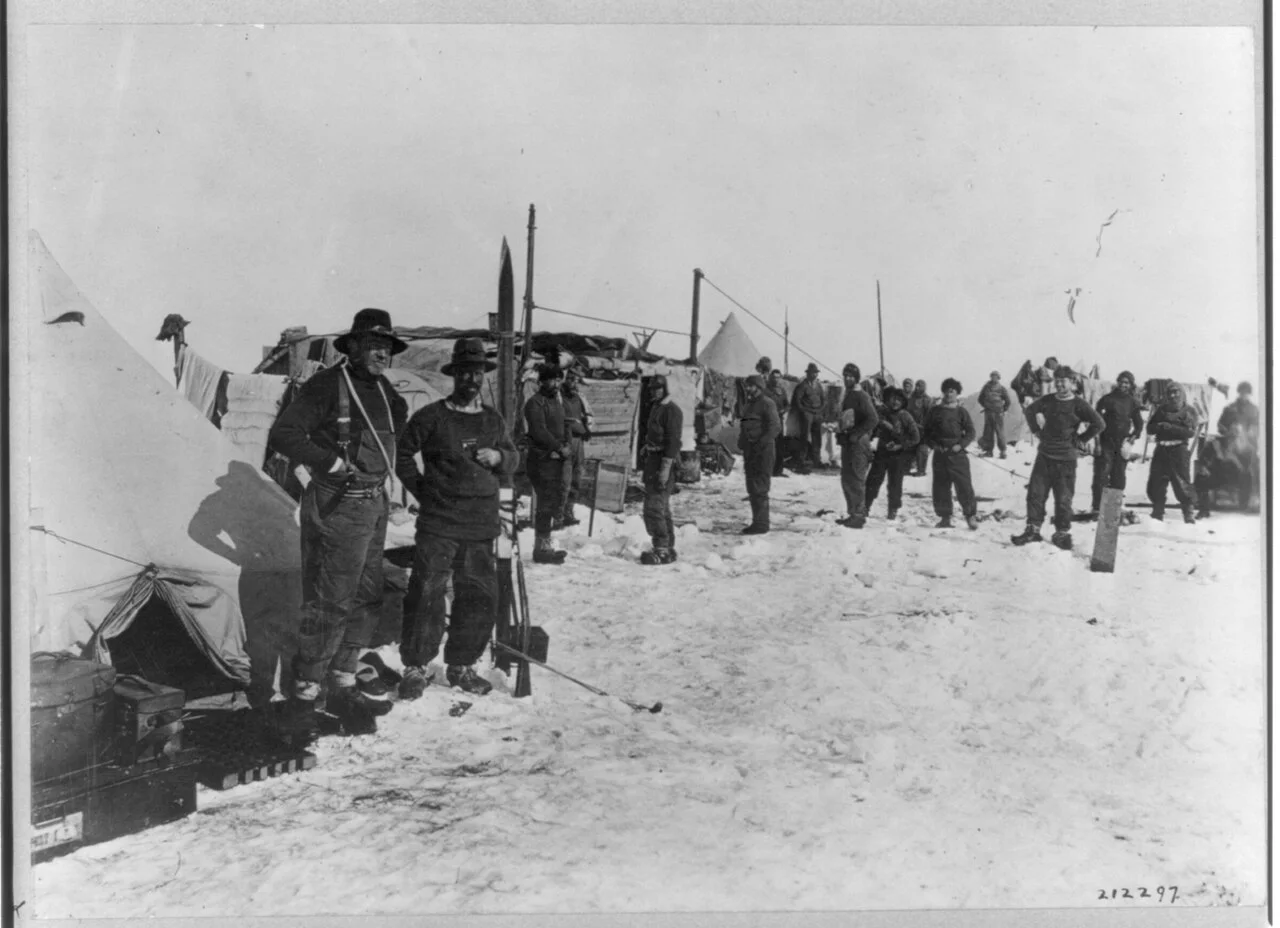
Huskies played a role in Antarctic operations, but the environmental framework changed. The Antarctic Environmental Protocol addresses non-native species; its rules required dogs to be removed from Antarctica by April 1994. A historic photograph should be dated and labeled rather than presented as a contemporary Antarctic field practice.
This distinction is not a judgment that all dog-team traditions are obsolete. It is a reminder that a practice can remain important in one region while being prohibited or inappropriate in another.
Questions for a responsible account
Identify where and when the team worked, who managed it and what task it performed. Explain the knowledge and care involved without treating animals as machines with unlimited endurance. If comparing a dog team with a vehicle, define the conditions and the actual outcome being compared.
For present-day travel, use current local rules and qualified operators. This page offers historical and geographic context; it gives no animal-training instructions or assurance about the suitability of a particular journey. The goal is to preserve the distinction between a documented tradition, a historic operation and a modern regulatory decision.
Locate the account before comparing the technology
Begin with the named region, community or expedition, the date and the task. The word polar is too broad to supply those details. A historic Antarctic photograph, a contemporary Arctic practice and an illustration of a general sledge can look similar while belonging to different systems. Labeling them accurately is the first step toward a useful explanation.
Next identify whether the source documents actual use, discusses history or makes a recommendation. An example of successful transport under one set of conditions does not establish that it is suitable everywhere. Keeping the location and period attached allows a reader to appreciate a tradition without turning it into an unsupported claim about all scientific operations in cold environments.
Animals are not interchangeable with an engine specification
A comparison between transport systems needs more than speed or load. Care, knowledge, welfare, terrain, support and the task all belong in the account. A dog team is a group of living animals managed by people with relevant skills, not a machine that can be assigned unlimited operating capacity. Avoid translating an admired historical performance into a universal endurance promise.
Likewise, a vehicle comparison needs its own conditions and dependencies. A statement that engines can fail does not establish that another system has no failure modes. Useful analysis asks which resources and expertise each system requires in a specified setting. Without those definitions, a claim that one is always more reliable becomes a slogan rather than an evidence-based comparison.
Read Antarctic history through the environmental framework
The Australian Antarctic Program's husky history explains a former operational role within a changing context. The environmental rules are essential to understanding why a historic practice is not current authorization. Retain the distinction between documenting what occurred and describing what is permitted now. Historical importance does not remove the need for current regulatory context.
When an image is used to illustrate that history, its date should be prominent enough to prevent a contemporary interpretation. If a page combines images from different regions, the captions should name those regions. This simple editorial practice prevents a Greenland scene from inadvertently illustrating a claim about present Antarctic operations, or an old Antarctic scene from being treated as a current expedition example.
A fair comparison has an explicit outcome
Imagine a fictional comparison asking which system can complete a particular transport task. Define the route conditions, support arrangements, loads and outcome before judging the result. A different question, such as cultural importance or historical contribution, requires different evidence and should not be forced into the same ranking. There is no single scale that measures every kind of value.
This matters because popular stories often switch the outcome mid-argument. A system may be praised for one property, then declared superior overall without examining other requirements. A careful article keeps the question stable. It can discuss strengths and limitations in a specified context without treating a preference as a universal technical conclusion.
Respect the difference between a tradition and a tourist image
A photograph can show visible equipment and a team at a particular moment. It cannot independently explain the knowledge, relationships or daily work behind the activity. If an account discusses community practice, it should use appropriate sources and avoid presenting a visitor's impression as the complete local perspective. Do not invent voices or attribute views to unnamed residents.
Where this page lacks the sources to describe a particular living tradition in depth, it leaves that account to appropriate specialists and communities. Its narrower contribution is geographic and historical clarity. That boundary prevents a broad overview from flattening distinct experiences into a generic story about people and animals living in snow.
Read the Australian husky account as history
The Australian Antarctic Program places huskies within its history of ground transportation. Read the location and period before transferring any performance claim to present operations. A historic image can document genuine use while remaining unsuitable evidence that the same activity is permitted today. The environmental framework supplies a different kind of information from the photograph.
For an editorial comparison, label one record Antarctic history and a second record with its actual Arctic location and date. Do not connect them with a claim that scientific teams universally prefer dogs when engines fail. Such a comparison would need defined tasks, conditions, welfare responsibilities and operational evidence. The source-reading exercise preserves the historical contribution without flattening distinct regional practices into one technology ranking. It also explains why a modern travel decision must use current local requirements rather than treating an admired historical account as authorization.
A date can change the meaning of the image
Before using a historic team photograph in a modern transport discussion, include its date in the visible caption. Link the historical account separately from any current guidance. This prevents a genuine image from supporting a claim about a different period simply because the equipment and landscape appear familiar.