Ross Sea Historic Huts: Read a Site as Evidence, Not a Frozen Time Capsule
Conservation, interpretation and access are different parts of visiting an expedition site.
A surviving hut is a managed place
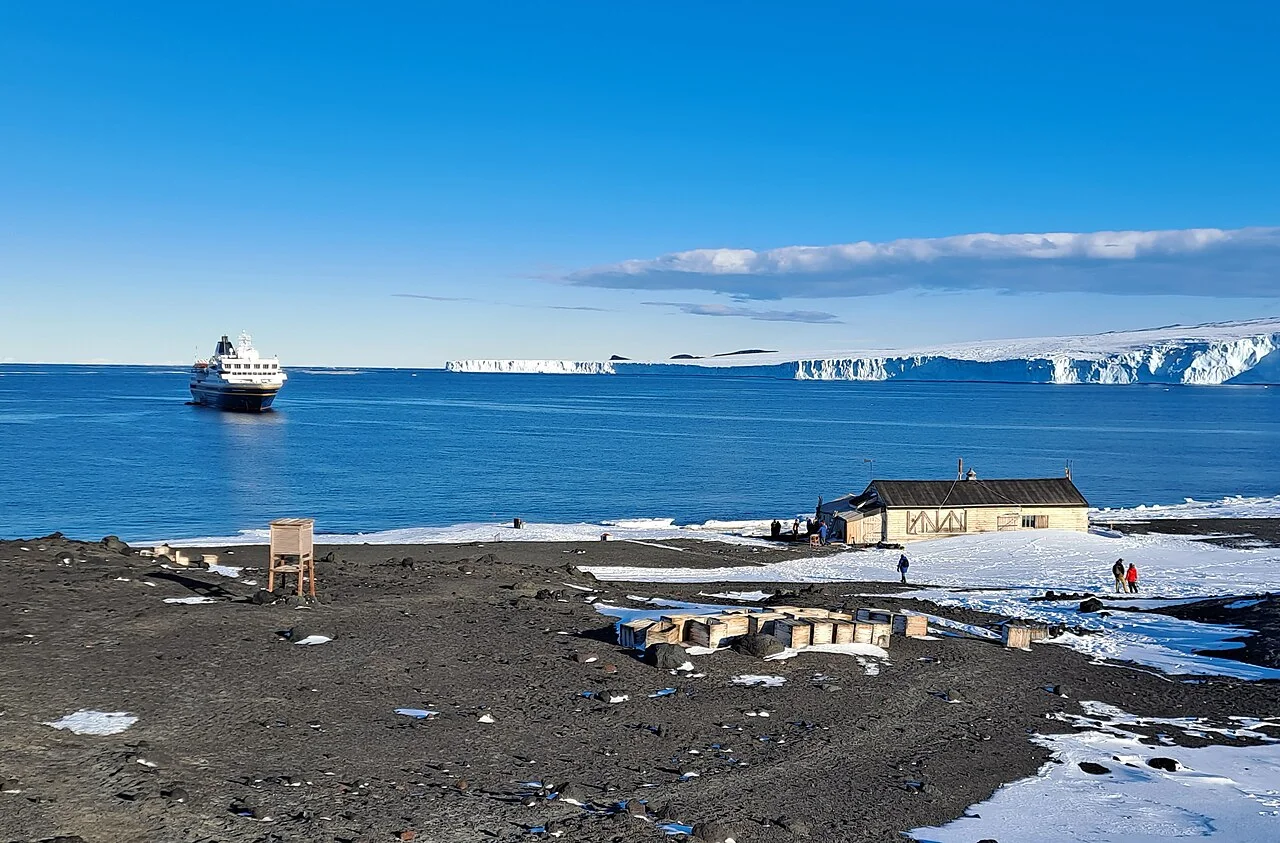
The Antarctic Heritage Trust conserves historic huts and artifacts in the Ross Sea region. Conservation involves ongoing work, not simply locking a building and leaving everything untouched. Material that survives in a cold environment can still be affected by moisture, movement, decay and human presence.
Calling a site an untouched time capsule can therefore erase the conservation work that allows visitors and researchers to encounter it today. Interpretation should distinguish original material, later interventions and information reconstructed from records.
An object needs context
A tin, tool or garment can provide evidence about supplies and practices, but it does not explain itself. Location, condition, associated documents and the history of the site affect what can reasonably be inferred. A single artifact should not be used to invent a conversation or a universal account of daily life.
For a more informative reading, ask what the object directly shows and what additional evidence supports the interpretation. A careful museum-style caption often teaches more than a dramatic unsupported anecdote.
Access is part of protection
Historic significance does not make a site freely accessible in every circumstance. Antarctic environmental protection and site-management arrangements can shape visits. Visitors should use current official guidance and the instructions of the authorized operator, not access details copied from an old travel account.
This article is not a booking guide or a claim that a particular hut is open today. It explains how to approach heritage information: identify the managing organization, distinguish conservation from reconstruction, and treat permitted access as part of caring for the evidence rather than an obstacle to seeing it.
Conservation is an ongoing record of decisions
A conserved site has a history that continues after the original expedition. Work may involve documenting condition, stabilizing material or managing access. A good interpretation explains the nature of an intervention rather than implying that every visible object has remained exactly where and how it was left. The conservation record helps distinguish evidence from a later presentation choice.
This does not make the site less authentic. It makes its condition understandable. A reader can appreciate surviving material while recognizing the work needed to preserve it. Ask which organization is responsible, what documentation it provides and how the site's present appearance relates to the earlier record. Those questions produce a more useful visit or reading experience than the promise of entering an entirely untouched past.
Read the Trust's conservation page before calling a hut untouched
The Antarctic Heritage Trust describes an ongoing program conserving Ross Sea huts and artifacts. That is direct evidence that the present condition involves continuing care. Use it to revise the familiar time-capsule description: cold can help material survive, but the visitor encounters a site with a conservation history as well as an expedition history.
Take a displayed object as a reading exercise. Record its identification, documented association and any conservation information before interpreting its former use. A modern photograph can show the conserved condition; it is not automatically a picture of how the interior looked during the expedition. This approach gives a remote reader or future visitor concrete questions for official interpretation. It also explains why current access guidance matters. Historical significance is a reason to protect the evidence, not permission to handle objects or rely on an old travel account for today's entry arrangements.
An interior photograph has its own context
A photograph of a hut interior records a viewpoint and date. It may show conserved objects, protective arrangements or a presentation designed to support interpretation. Before using it as a direct picture of expedition life, read its source and caption. A modern image of historic material is not the same as a photograph taken during the expedition.
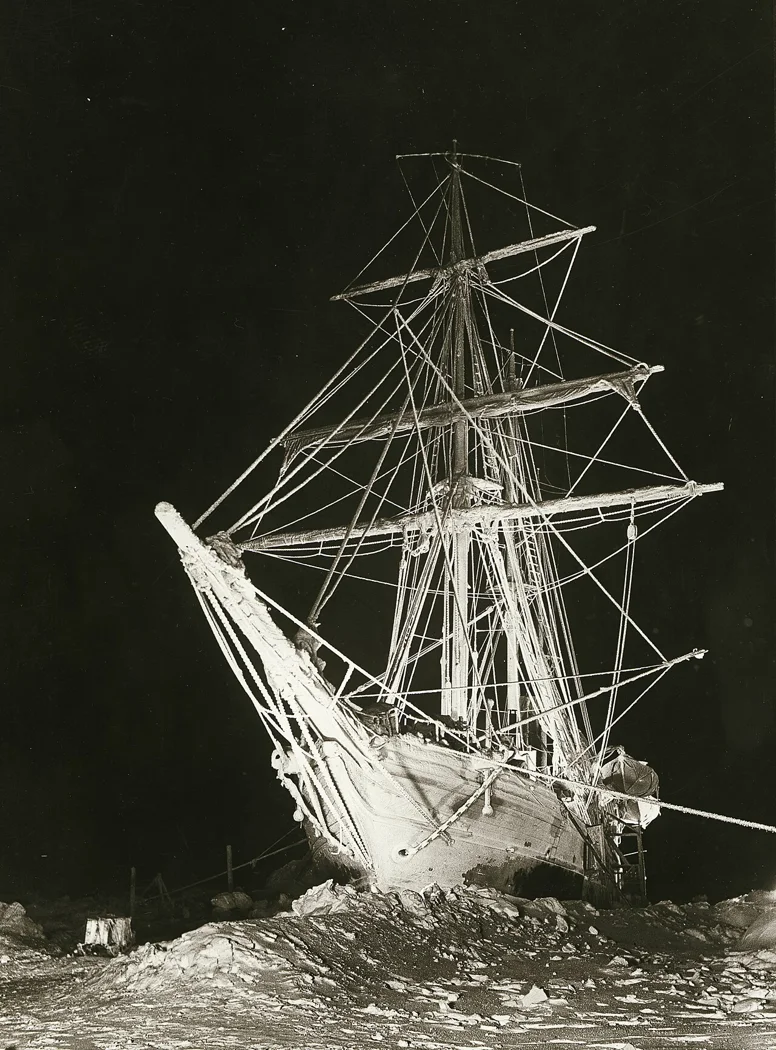
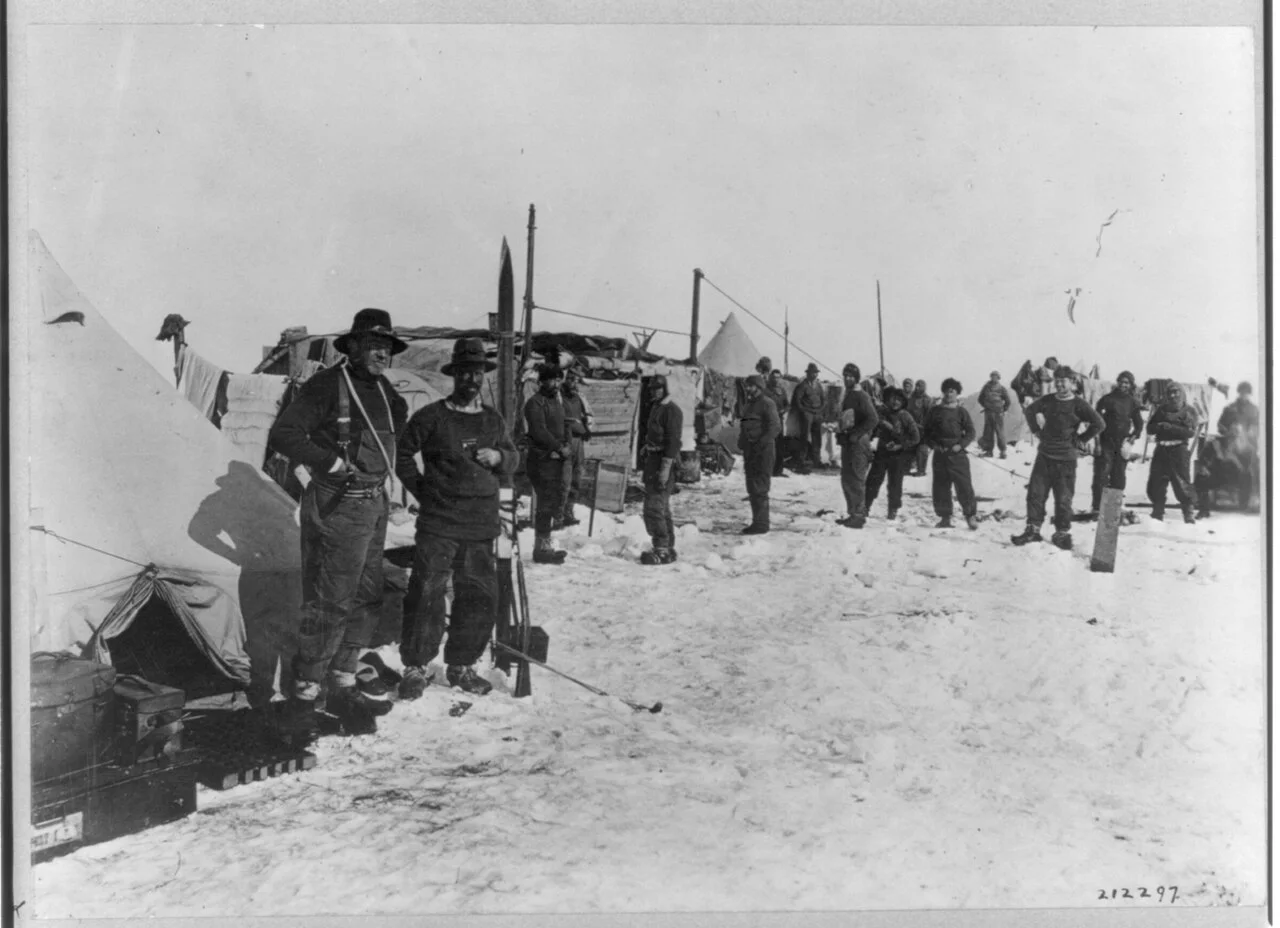
For comparison, keep original documentary images, modern site photographs and reconstructed illustrations in separate categories. Each can contribute to understanding, but their evidential roles differ. Clear labels allow readers to see continuity and change without assuming that every visual detail represents the same moment. That is particularly useful when a travel article combines images from several periods.
Access information ages faster than historical context
A statement about an expedition's past and a statement about present visitor access have different maintenance needs. Access can depend on current arrangements and conditions, so an old account should not be used as a booking assurance. Identify the current official manager and the relevant authorized operator before relying on practical details for a real visit.
The environmental framework also explains why access is managed rather than treated as unrestricted entry to an abandoned building. Protection of historic material and the surrounding environment is part of the site's future. A useful article can explain that rationale without inventing a current opening schedule or giving readers a procedure to bypass site restrictions.
Compare heritage accounts by what they document
One organization may emphasize conservation work, another may describe the expedition chronology, and a visitor may recount a personal impression. These are different contributions. Before treating disagreements as factual conflicts, identify the question each account addresses and the evidence it supplies. An emotional response can enrich a visit narrative while remaining distinct from an artifact identification or a documented date.
A practical note can record the site, managing organization, source date, object or event discussed and type of evidence. This makes future reading easier and reveals where a claim needs a stronger source. It also keeps the reader's own interpretation separate from a statement attributed to the conservators or historical participants.
Prepare questions that deepen the encounter
Useful questions include what survives, what has been conserved, what records connect the objects to events and what uncertainties remain. They invite attention to material evidence rather than simply collecting a photograph of a famous room. Where official interpretation is available, use it to understand why a seemingly ordinary item matters within the wider expedition system.
The result is a richer understanding of a Ross Sea heritage site as a protected source of evidence. Its value comes from surviving material, documentation and careful conservation together. A visitor or remote reader can appreciate the setting while avoiding the misleading idea that cold alone preserved a complete, self-explanatory scene requiring no continuing care.
Preserve an intervention's date
When a conservation account describes work, keep its date and scope. A later visitor photograph may show the result rather than the earlier condition. Reading the two together can reveal the care invested in preservation, while labeling both simply original risks erasing a documented part of the site's history and confusing the evidence.