A Polar Clothing System Manages Heat and Moisture Together
Understand the different jobs of layers without turning a garment list into a safety guarantee.
Warmth is not a fixed property of an outfit
A clothing system interacts with weather, activity and the person wearing it. Generating heat during movement and conserving heat during a stop are different situations. An outfit that feels appropriate while working may need adjustment when activity changes.
This is why official Antarctic clothing guidance discusses layers rather than one universally sufficient coat. The relevant question is how the system can respond to changing demands, not which product has the most dramatic expedition photograph.
Different layers do different work
A base layer, insulating layers and a protective outer layer address different aspects of comfort and heat loss. Moisture management matters alongside insulation: clothing that becomes damp can behave differently from the same clothing when dry. Wind protection and insulation should not be treated as interchangeable properties.
Fit and compatibility also matter. A collection of individually capable garments can be difficult to use if it restricts movement or makes required equipment inaccessible. Assess the system in the context of the actual program and activity.
Use the right kind of advice
The Australian Antarctic Program's account describes clothing in a particular operational setting. It is useful context, not a shopping prescription for every independent journey. Qualified instruction, current program requirements and individual assessment remain necessary for real field use.
When comparing recommendations, identify the temperature range, wind, expected work, access to shelter and drying arrangements. A recommendation without those conditions is incomplete. This guide makes no brand ranking, frostbite-prevention guarantee or universal minimum number of layers.
Compare the Australian program's active and passive examples
The Australian Antarctic Program's clothing page separates active work from passive situations. Read those examples as evidence that an outfit is assessed in relation to activity, not simply the lowest temperature printed in a product description. The same person's heat production changes between sustained movement and observation. A recommendation that omits the task leaves out a major part of the system.
Make a comparison with columns for activity, insulation, outer protection and opportunities to manage moisture. Populate it from the official explanation rather than inventing a universal number of layers. Then add compatibility with the equipment required by the responsible program. This exercise helps readers understand why a windproof shell and an insulating garment do not answer identical questions. It does not certify a shopping list or guarantee protection for an independent trip; actual selection must follow current program requirements and qualified assessment.
Activity changes the system's demands
A person working hard and a person waiting have different heat-production conditions. The clothing system must be considered across the activity pattern rather than judged only during one comfortable moment. Access to shelter and opportunities to manage clothing also affect the planning context. An outfit described without those circumstances is an incomplete recommendation.
For a hypothetical review, compare movement, a planned stop and a period indoors as separate situations. Ask how the system is intended to function in each, without assigning universal temperatures or layer counts. This exposes assumptions for qualified planners to assess. It does not produce a field procedure, but it explains why an appropriate system needs flexibility rather than one permanently maximal level of insulation.
Moisture and drying connect clothing to logistics
The condition of a garment depends partly on how it is used and what opportunities exist to manage moisture. A recommendation developed for regular access to drying facilities may not transfer directly to a setting with different support. Include those arrangements when comparing accounts. The garment is one component of a system that also involves routines, storage and the wider operational environment.
This is why a material name alone cannot establish the outcome. The same item can be used in different combinations and conditions. A useful explanation identifies the intended role and dependencies rather than promising that one fabric solves every cold-weather problem. Claims of universal comfort or protection should be treated cautiously unless the conditions and evidence are specified.
Compatibility is a property of the combination
An individual garment can be well made while the combined outfit restricts a task or interferes with required equipment. Fit, movement and access therefore belong in the system review. Evaluate the actual combination within the relevant organization's process rather than assuming that several highly rated items automatically form a suitable ensemble. A product specification does not establish compatibility with every other item.
An illustrative question is whether a planned task can be performed with the intended equipment and clothing together. The appropriate assessment should be conducted under qualified supervision and current requirements. For readers, this makes the concept concrete without turning an online article into a certification. The question concerns the functioning combination, not whether every component is individually impressive.
Read a recommendation's boundary conditions
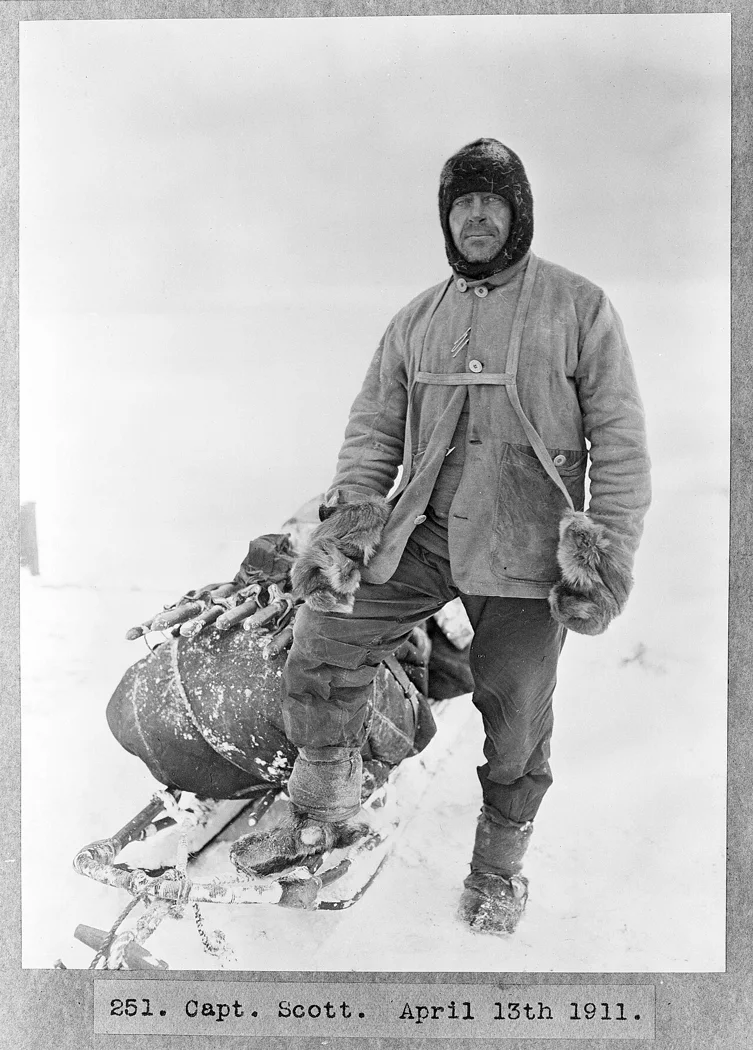
When a source recommends a system, identify expected weather, workload, duration, shelter access and maintenance arrangements. Also check whether the account describes issued program equipment, personal experience or commercial promotion. Those contexts affect what the recommendation can establish. A photograph of a person wearing an item shows use, not a complete evaluation of its suitability for another person.
The Australian Antarctic Program's clothing explanation is useful for understanding the roles of layers within its setting. The USAP field material adds organizational context. Neither should be reduced to a universal shopping recipe detached from the activity and current instructions. Using them as explanations of a system preserves their value while keeping the limits visible.
A better comparison than warmest coat
Imagine two fictional outfits. One is assessed only during continuous movement; the other is discussed during a long stationary task. Their comfort reports are not directly comparable until the activity and conditions are aligned. Even then, individual fit and the rest of the equipment matter. A simple ranking would hide the circumstances most relevant to the reader.
A useful final note states the job, conditions, dependencies and evidence for the system being discussed. This gives readers a way to evaluate future advice without prescribing brands or guaranteeing protection. Polar clothing becomes understandable as coordinated management of heat, moisture and practical tasks, with the actual selection governed by qualified assessment rather than an isolated superlative.
A specification needs an intended use
If a product comparison reports a laboratory result, identify what was tested and under which conditions. A material test and a complete outfit assessment are different pieces of evidence. The former can inform the latter without independently establishing comfort, compatibility or suitability for every task. Retaining that boundary helps readers evaluate technical claims without turning a single number into a whole-system guarantee.