Solo, Unsupported, Unassisted: Read an Antarctic Journey's Definitions
A meaningful comparison begins with the route, support and rules attached to the claim.
One word does not describe a whole expedition
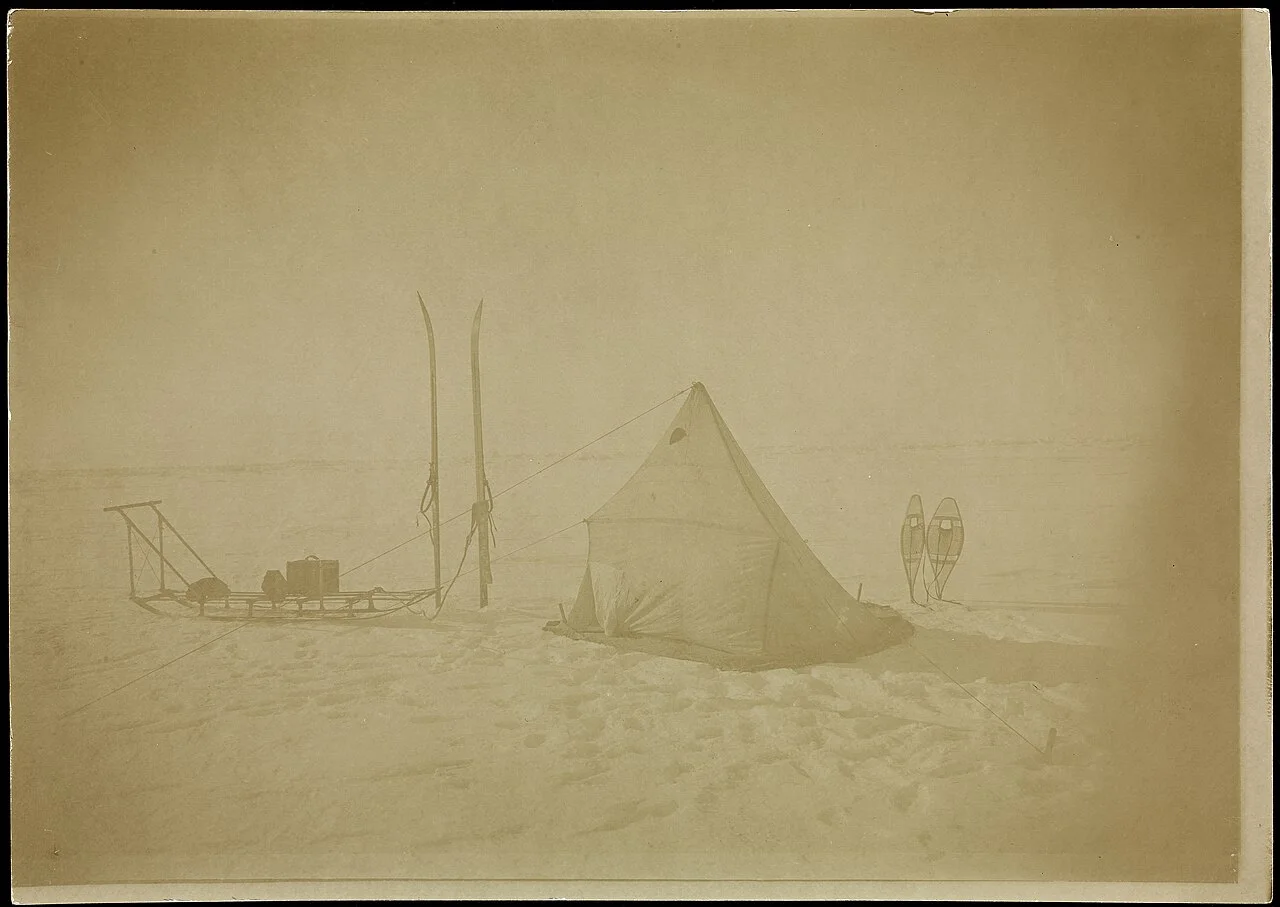
Solo may describe the number of travelers, but it does not by itself specify resupply, communications, transport to the starting point or emergency support. Unsupported and unassisted can be used differently by different record systems. A report should provide the applicable definition rather than rely on the reader's assumptions.
An expedition can be a substantial achievement while still depending on carefully arranged logistics. Acknowledging those arrangements makes the account more accurate; it does not diminish the effort involved.
Distance requires endpoints and a route
A total distance is more interpretable when paired with the starting location, ending location and actual track. Geographic labels alone can conceal materially different journeys. Surface conditions, elevation changes and the timing of travel also affect what a distance means.
Before comparing two accounts, check that the route descriptions and support definitions are compatible. An attractive line across a simplified map cannot settle a record dispute or establish equal difficulty.
Remoteness is a planning condition, not a credential
A communications device can support a plan without making evacuation immediate or certain. Weather, location and available resources influence a response. The USAP material illustrates how organized Antarctic operations consider risk and contingency, but it is not a support agreement for an independent trip.
This explainer does not offer a route plan, ration prescription or training program for a solo traverse. It helps readers ask better questions of a claim: what was done, under which definition, with what evidence and with which support arrangements? Those details produce a stronger expedition story than an unsupported adjective.
Read the rules before ranking the adjective
When a record claim uses solo, unsupported or unassisted, find the definition used by the relevant reporting or record system. Do not assume that everyday meanings settle the classification. A category may distinguish forms of resupply or assistance in a particular way. A useful report states the definition alongside the claim so the reader can understand the achievement on its actual terms.
If no definition is supplied, describe the known arrangements directly rather than inventing a category. State the number of travelers, the documented route and the reported support. This can still communicate a substantial journey. Precision about its organization is more respectful of the evidence than attaching an impressive label whose meaning changes between accounts.
Build a journey comparison without inventing a record category
USAP's participant information illustrates how much organization can surround Antarctic travel. It does not define every independent expedition record or promise support for one. Use that difference to read a solo-traverse account: separate the number of travelers from the logistics supporting their journey. A communications arrangement and a physical resupply are different facts that should retain their own labels.
For two fictional claims, create fields for endpoints, dates, recorded distance, resupply and the stated definition of unsupported or unassisted. Leave a field blank when the evidence is absent. An empty field identifies a verification task rather than permission to infer the most impressive category. This worksheet lets a reader compare documented achievements fairly without producing an unsupported difficulty ranking. Formal record claims still need the applicable organization's definitions and evidence; a general logistics source cannot settle them merely by describing how another program operates.
Distance alone does not measure difficulty
Two routes with similar lengths can differ in elevation, surface conditions, timing and support arrangements. A longer distance does not automatically rank every aspect of difficulty. Decide what the comparison is meant to establish before selecting a number. If the question concerns route length, measure route length; if it concerns another demand, identify the evidence relevant to that demand.
For a fictional comparison, imagine two equal-distance journeys with different starting elevations and resupply systems. Their distance totals can be directly compared as totals while leaving other circumstances unequal. The example explains why a fair account can acknowledge both achievements without declaring them interchangeable or producing a universal difficulty score unsupported by a defined method.
Communication and rescue are different arrangements
An expedition may communicate regularly while remaining physically remote. The existence of a device or contact schedule does not establish that transport or evacuation is immediately available. When a story mentions support, identify what the arrangement actually covered rather than assuming that every contact implied the same resources or response time.
The USAP materials illustrate organized planning within their own program. They do not create a support commitment for a private expedition. A general article should therefore avoid borrowing an institutional procedure and presenting it as an available service for every traveler. The useful reading question is what arrangements were documented for this journey, by whom and under which conditions.
Evidence should match the record claim
A dated track, expedition log, independently documented endpoints and a clear statement of support can contribute different kinds of evidence. No single item automatically verifies every adjective. A track can document movement while leaving resupply arrangements to other records. A personal account can describe experience while requiring further evidence for a formal comparative record.
When sources disagree, identify whether they dispute the route, the classification or the documentation. Those are different disagreements. A reader can understand the distinction without deciding a record dispute from an abbreviated article. The publication's responsibility is to present the applicable definitions and evidence accurately, not to convert uncertainty into a confident ranking for a stronger headline.
A comparison worksheet that preserves the achievement
For each journey, record the dates, travelers, endpoints, route evidence, distance method, resupply and other documented support. Add a separate field for the claimed category and its definition. Blank fields are useful: they show what is not established rather than encouraging an assumption. Compare only the fields whose meanings align.
This framework gives readers a way to appreciate a journey's effort and organization together. It avoids treating logistics as an embarrassment that must be hidden to preserve the story. A strong expedition account explains what was done and how it was supported, with evidence proportional to its claims. That clarity is the reader benefit, whether or not a particular record label ultimately applies.
Separate intention, completion and classification
A pre-departure announcement documents an intention. A completion account documents a reported outcome. A record classification applies a specified definition to supporting evidence. Preserve those stages when following a journey across several sources. An announcement's original adjective should not silently become independent verification of the completed claim. This reading order lets an audience follow the story while recognizing what each new document adds and which questions still require supporting records.
A comparison is easier to assess when its source links remain attached to each journey's documented track and definitions.